The 70-30 Rule: Minimalist Capsule Wardrobe Trend in US
Advertisements
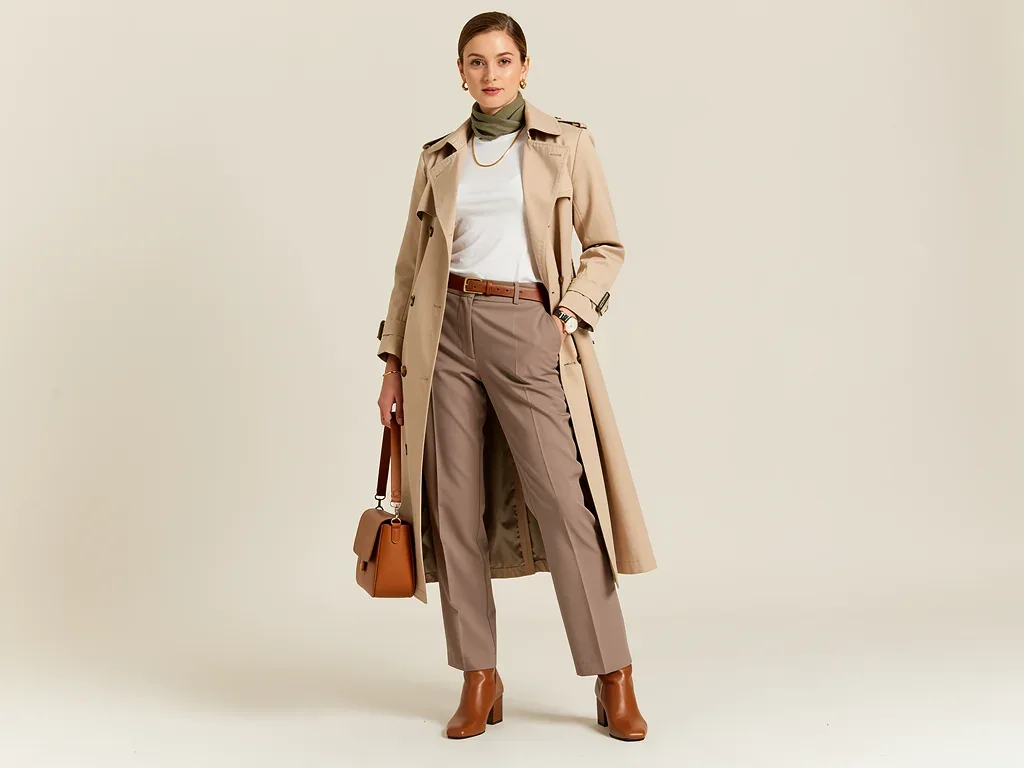
The 70-30 Rule: Inside the Minimalist Capsule Wardrobe Trend Dominating the US This Season is reshaping American consumer habits, offering a strategic approach to fashion and sustainability. This update details the rise of this trend, its impact on personal style, and what it signifies for the broader fashion industry. We explore why this method resonates deeply with a growing segment of the population.
The 70-30 Rule: Inside the Minimalist Capsule Wardrobe Trend Dominating the US This Season has emerged as a significant force in contemporary fashion, championed by individuals seeking both efficiency and elegance. This approach, which advocates for a highly curated selection of clothing, is not merely a passing fad but a thoughtful response to fast fashion's environmental and practical drawbacks. Its increasing prevalence reflects a collective shift towards more intentional living and sustainable choices.
As consumers increasingly prioritize quality over quantity, the 70-30 rule capsule wardrobe offers a compelling blueprint for building a versatile and enduring collection of garments. This framework encourages a deeper understanding of personal style and consumption patterns, fostering a more mindful relationship with clothing. Its simplicity and effectiveness are key drivers behind its rapid adoption across diverse demographics.
This season, the discussion around the 70-30 Rule: Inside the Minimalist Capsule Wardrobe Trend Dominating the US This Season is not just about fashion; it's about a lifestyle revolution. The principle, which suggests dedicating 70% of one's wardrobe to versatile, foundational pieces and 30% to statement or seasonal items, is gaining unprecedented momentum. This trend is particularly impactful in the US, where consumer culture has historically leaned towards abundance.
Understanding the 70-30 Rule Capsule Wardrobe Principle
The core concept of the 70-30 rule capsule wardrobe revolves around strategic selection and conscious investment in clothing. It challenges the conventional impulse to continuously acquire new items, instead promoting a thoughtful curation process. This methodology helps individuals streamline their daily dressing routines while maintaining a polished and adaptable appearance.
At its heart, the rule encourages wearers to identify their essential style needs and invest in high-quality, interchangeable pieces that form the backbone of their wardrobe. The remaining portion is then allocated to items that express individuality, align with current trends, or serve specific seasonal purposes. This balance ensures both practicality and personal expression within a minimalist framework.
This structured approach to clothing offers significant benefits, from reducing decision fatigue to fostering greater environmental responsibility. By focusing on longevity and versatility, adherents of the 70-30 rule capsule wardrobe actively contribute to a more sustainable fashion ecosystem. It's a pragmatic solution for modern living that prioritizes function without sacrificing aesthetic appeal.
The Foundational 70%: Building Your Core
The 70% of a 70-30 rule capsule wardrobe consists of timeless, versatile items that can be mixed and matched effortlessly. These are typically classic pieces in neutral colors like black, white, gray, navy, and beige, forming the backbone of countless outfits. Investing in high-quality fabrics and well-constructed garments for this segment is crucial, as these items will endure frequent wear and washing.
Key items in this foundational category often include well-fitting jeans, tailored trousers, classic shirts, comfortable sweaters, and versatile outerwear. The emphasis is on pieces that transcend seasonal trends and can be dressed up or down depending on the occasion. This strategic selection ensures that a significant portion of the wardrobe remains relevant and functional year-round.
- Versatile basics: T-shirts, tank tops, camisoles in neutral tones.
- Classic bottoms: Dark wash jeans, black trousers, a versatile skirt.
- Layering pieces: Cardigans, blazers, lightweight jackets.
- Essential outerwear: A trench coat or a quality wool coat.
The Dynamic 30%: Adding Personality and Flair
The remaining 30% of the 70-30 rule capsule wardrobe is where personal style truly shines, allowing for more experimental and trend-driven choices. This segment includes statement pieces, seasonal items, and accessories that inject personality and keep the wardrobe fresh. These items might feature bolder colors, unique patterns, or specific silhouettes that reflect current fashion sensibilities.
This portion of the wardrobe can be updated more frequently without disrupting the core functionality of the 70%. It provides an outlet for expressing individuality and adapting to different moods, events, or stylistic preferences. The dynamic 30% ensures that the wardrobe never feels stagnant, even within a minimalist framework.
- Statement pieces: A bold dress, a patterned blouse, or a unique jacket.
- Seasonal additions: Lightweight scarves for spring, warm hats for winter.
- Accessories: Jewelry, handbags, and shoes that elevate outfits.
- Trend-driven items: A piece reflecting a current fashion fad.
Economic and Environmental Impact of the 70-30 Rule
The adoption of the 70-30 rule capsule wardrobe has tangible economic benefits for consumers, primarily through reduced spending on clothing. By focusing on fewer, higher-quality items, individuals make more deliberate purchases, avoiding impulse buys and the constant need to replace cheaply made garments. This shift leads to significant long-term savings and a more efficient allocation of personal finances.
Environmentally, the impact is equally profound. The fashion industry is a major contributor to pollution and waste, with fast fashion cycles exacerbating these issues. The 70-30 rule directly counters this by promoting longevity, reducing textile waste, and minimizing the demand for new production. This conscious consumption pattern supports a more sustainable future for fashion.
Furthermore, the trend encourages a deeper appreciation for craftsmanship and ethical production. As consumers invest in durable pieces, they often seek out brands committed to fair labor practices and environmentally sound manufacturing. This preference drives positive change within the industry, fostering a market for more responsible and transparent businesses.
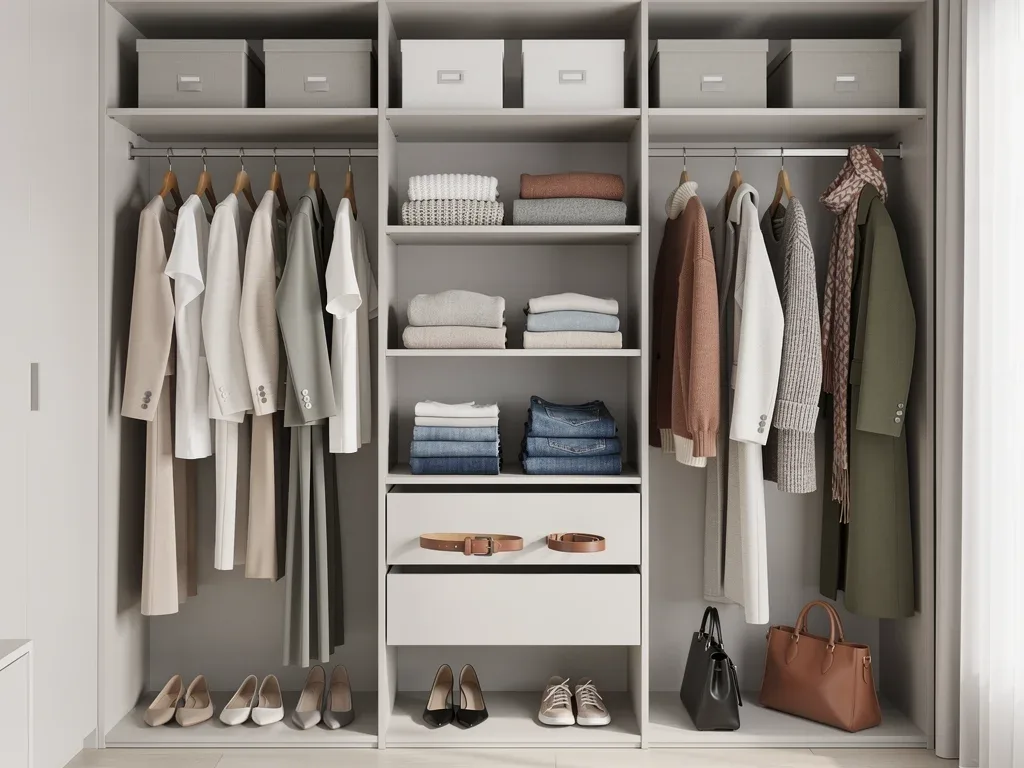
The US Market Response to Minimalist Fashion
In the United States, the response to the 70-30 rule capsule wardrobe and broader minimalist fashion movements has been diverse yet increasingly positive. Major retailers and boutique brands are adapting their offerings to cater to this growing demand, introducing more versatile collections and promoting sustainable practices. This shift is evident in marketing campaigns that highlight durability, timelessness, and ethical sourcing.
E-commerce platforms have also become critical enablers, providing consumers with access to a wide array of sustainable and minimalist brands. Online communities and influencers play a significant role in disseminating information and inspiring others to adopt the 70-30 rule. This digital ecosystem fosters a supportive environment for those embracing a more conscious approach to dressing.
While the trend is still evolving, its influence is undeniable, prompting a re-evaluation of consumer habits and industry standards. The 70-30 rule capsule wardrobe is not just about personal choice; it's about a collective movement towards a more responsible and thoughtful fashion landscape across the US. This cultural shift is poised to have lasting implications for how Americans perceive and consume clothing.
Consumer Behavior and Shifting Priorities
Consumer behavior in the US is undergoing a notable transformation, driven by a desire for simplicity, authenticity, and sustainability. The overwhelming choice offered by fast fashion, once seen as a benefit, is now often viewed as a source of stress and environmental concern. This paradigm shift has created fertile ground for the 70-30 rule capsule wardrobe to flourish.
Shoppers are increasingly prioritizing quality and versatility over fleeting trends, a clear indicator of evolving values. This shift is particularly pronounced among younger generations who are more attuned to the environmental and social impacts of their purchasing decisions. The 70-30 rule provides a clear, actionable framework for aligning personal values with consumption habits.
- Emphasis on longevity: Consumers seek durable items that last.
- Ethical sourcing: Demand for transparency in production.
- Reduced clutter: Desire for a more organized and functional wardrobe.
- Investment in classics: Prioritizing timeless pieces over trendy ones.
Retailer Adaptation and New Business Models
Retailers are responding to the growing popularity of the 70-30 rule capsule wardrobe by rethinking their product lines and business strategies. Brands are investing in higher-quality materials, offering repair services, and promoting circular fashion initiatives. This adaptation signals a recognition of the long-term potential of minimalist and sustainable fashion.
New business models, such as clothing rental services and resale platforms, are also gaining traction, further supporting the principles of the 70-30 rule. These services allow consumers to access a wider variety of styles without committing to ownership, reducing waste and extending the lifespan of garments. The fashion industry is slowly but surely moving towards a more circular economy.
- Curated collections: Retailers offering pre-selected capsule wardrobe sets.
- Sustainable lines: Increased focus on eco-friendly materials and production.
- Rental and resale: Growth of platforms for temporary access and second-hand items.
- Educational initiatives: Brands providing guidance on building a 70-30 rule capsule.
Challenges and Criticisms of the 70-30 Rule
Despite its growing popularity, the 70-30 rule capsule wardrobe concept faces certain challenges and criticisms. One common concern is the initial investment required for high-quality foundational pieces, which can be a barrier for some consumers. While it promises long-term savings, the upfront cost can be substantial, making it less accessible to all income brackets.
Another criticism revolves around the perceived lack of creative expression. Some argue that a highly curated wardrobe might stifle individuality or make fashion feel too restrictive. The balance between practicality and personal style is a delicate one, and finding it within the 70-30 framework requires thoughtful consideration and a clear understanding of one's aesthetic.
Furthermore, the definition of "essential" and "statement" pieces can be subjective, leading to confusion for newcomers. The success of the 70-30 rule capsule wardrobe often depends on an individual's ability to accurately assess their lifestyle needs and personal preferences, which can be a learning curve. These factors highlight the need for clear guidance and adaptable interpretations of the rule.
The Role of Social Media and Influencers
Social media platforms and fashion influencers have played an instrumental role in popularizing the 70-30 rule capsule wardrobe across the US. Through visually appealing content and practical advice, these digital tastemakers have demystified the concept, making it more approachable and aspirational. Their ability to showcase diverse interpretations of the rule has broadened its appeal.
Influencers often share their personal journeys of adopting the 70-30 rule, detailing the process of decluttering, selecting versatile pieces, and styling limited wardrobes. This authentic storytelling resonates with followers seeking to simplify their lives and make more conscious fashion choices. The interactive nature of social media also allows for community building and shared learning among adherents.
The visual nature of platforms like Instagram and TikTok is particularly well-suited for demonstrating the versatility and aesthetic appeal of a 70-30 rule capsule wardrobe. Before-and-after transformations and styling tutorials effectively illustrate the benefits, inspiring many to embark on their own minimalist fashion adventures. This digital advocacy has been crucial to the trend's rapid spread.
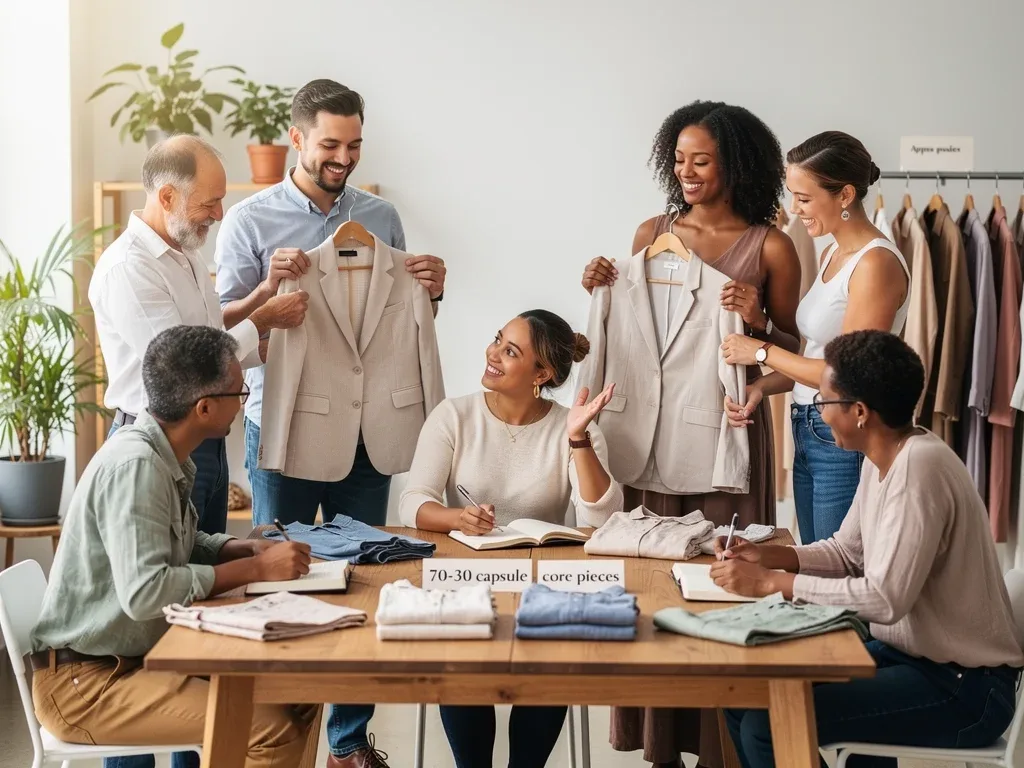
Future Outlook for the 70-30 Rule in US Fashion
The trajectory of the 70-30 rule capsule wardrobe suggests a continued upward trend in US fashion, solidifying its position as more than a fleeting fad. As awareness of environmental sustainability grows and consumers seek greater efficiency in their lives, the principles underpinning this rule are likely to become even more ingrained in mainstream fashion discourse. The emphasis on conscious consumption is here to stay.
Industry experts predict that more brands will integrate elements of the 70-30 rule into their collections, offering modular systems and promoting garments designed for longevity and versatility. Educational resources and personalized styling services centered around capsule wardrobe building are also expected to proliferate, making the approach even more accessible to a wider audience.
Ultimately, the 70-30 rule capsule wardrobe represents a significant cultural shift towards a more thoughtful and sustainable relationship with clothing. Its continued evolution will likely see further innovations in textile technology, circular economy models, and a deeper integration of ethical considerations within the fashion supply chain. This trend is not just about what we wear, but how we live.
| Key Aspect | Description |
|---|---|
| Core Principle | 70% versatile basics, 30% statement/seasonal items. |
| Benefits | Reduces waste, saves money, simplifies dressing. |
| US Adoption | Rapid growth driven by sustainability and efficiency. |
| Future Impact | Continued influence on fashion industry and consumer habits. |
Frequently Asked Questions About the 70-30 Rule Capsule Wardrobe
What exactly is the 70-30 rule capsule wardrobe?▼The 70-30 rule capsule wardrobe is a minimalist fashion strategy where 70% of your clothing consists of foundational, versatile items, and 30% is dedicated to statement pieces or seasonal trends. This approach aims to create a functional, stylish, and sustainable wardrobe that reduces clutter and promotes conscious consumption.
Why is the 70-30 rule gaining popularity in the US?▼Its popularity stems from a growing desire for sustainability, financial prudence, and simplicity in daily life. Americans are increasingly seeking ways to reduce their environmental footprint and streamline their routines, making the 70-30 rule capsule wardrobe an attractive and practical solution for modern living.
Can the 70-30 rule capsule wardrobe be adapted to different styles?▼Absolutely. While the core principle remains consistent, the specific items chosen for both the 70% and 30% can be fully customized to reflect individual style, lifestyle, and climate. The rule provides a flexible framework, allowing for personal expression within its minimalist guidelines, making it adaptable for anyone.
What are the main benefits of adopting this rule?▼Adopting the 70-30 rule capsule wardrobe offers numerous benefits, including significant cost savings over time, reduced decision fatigue when getting dressed, and a positive environmental impact due to less textile waste. It fosters a more intentional and mindful approach to fashion consumption, enhancing overall well-being.
Where can I find resources to start my own 70-30 rule capsule wardrobe?▼Numerous online resources, including fashion blogs, social media influencers, and dedicated websites, offer guides and inspiration for building a 70-30 rule capsule wardrobe. Many sustainable fashion brands also provide curated collections designed to fit this minimalist philosophy, helping you get started effectively.
Perspectives
The increasing prominence of the 70-30 rule capsule wardrobe signifies a broader evolution in consumer consciousness across the US. This trend is not merely about fashion; it reflects a deeper societal shift towards valuing sustainability, efficiency, and intentional living. As more individuals embrace this approach, its impact on the fashion industry, from design to retail practices, will continue to expand. Watching how brands and consumers further adapt to these minimalist principles will be key in understanding the future landscape of American style and consumption.