Master the 10-Item Seasonal Closet Strategy to Cut Clutter
Advertisements
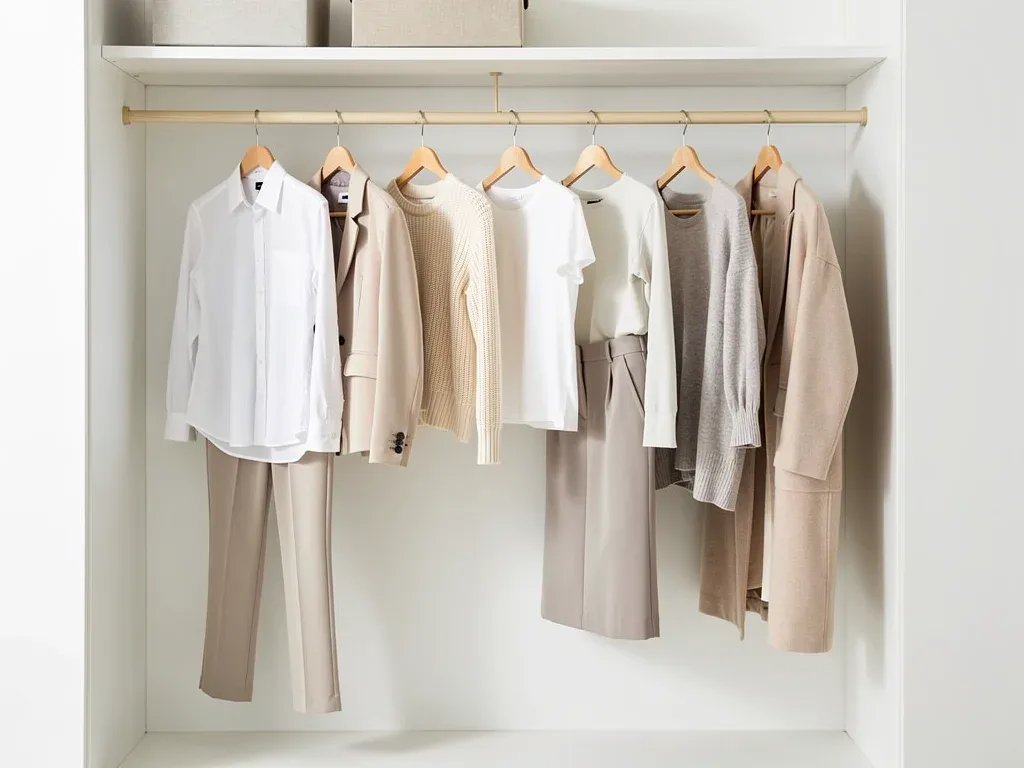
Latest developments on Master the 10-Item Seasonal Closet Strategy to Cut Wardrobe Clutter by 60%, with key facts, verified sources and what readers need to monitor next in Estados Unidos, presented clearly in Inglês (Estados Unidos) (en-US).
Master the 10-Item Seasonal Closet Strategy to Cut Wardrobe Clutter by 60% is shaping today’s agenda with new details released by officials and industry sources. This update prioritizes what changed, why it matters and what to watch next, in a straightforward news format.
The increasing interest in sustainable living and conscious consumption has brought this strategy to the forefront. Its practical application promises not only a tidier living space but also a significant reduction in fashion-related decision fatigue, a common urban challenge.
Understanding the 10-Item Seasonal Closet Core
The 10-item seasonal closet strategy is not merely about numerical restriction but rather a foundational shift in how we approach our wardrobes. It encourages a deliberate selection of versatile pieces that can be mixed and matched, creating multiple outfits from a limited collection.
This approach mandates a critical evaluation of every garment's utility and aesthetic value within a specific seasonal context. The goal is to move beyond impulsive purchases and embrace a more intentional, curated style that genuinely reflects personal preferences and lifestyle needs.
By focusing on quality over quantity, individuals can reduce their fashion footprint and invest in durable, timeless pieces. This not only elevates personal style but also aligns with broader sustainability goals, challenging the fast-fashion paradigm.
Defining Your Seasonal Needs
Before embarking on the 10-item seasonal closet journey, a thorough assessment of your lifestyle and climate is paramount. Consider your daily activities, professional requirements, and social engagements that dictate your clothing choices for the upcoming season.
For instance, someone working in a corporate environment will have different needs than an individual with a predominantly casual lifestyle. The geographical location also plays a crucial role, influencing the types of fabrics and layers required to stay comfortable and stylish.
Moreover, personal style preferences should guide your selections, ensuring that each piece truly resonates with your aesthetic. This foundational step prevents the accumulation of items that, while functional, do not bring joy or align with your desired image.
Assess daily activities and professional dress codes.
Consider local climate and seasonal temperature fluctuations.
Identify your core style and preferred color palette.
The Art of Item Selection
Selecting the ten items requires careful consideration, focusing on versatility, quality, and personal expression. Each piece should serve multiple purposes and integrate seamlessly with the others to maximize outfit combinations.
Think in terms of foundational garments like versatile bottoms, essential tops, and layering pieces that can transition across various occasions. The aim is to create a cohesive collection where every item earns its place through its functionality and aesthetic appeal.
Quality materials and timeless designs are prioritized, ensuring longevity and reducing the need for frequent replacements. This investment in durable clothing supports the long-term sustainability of the 10-item seasonal closet, making it a truly effective strategy.
Strategic Decluttering for a 60% Reduction
Achieving a 60% reduction in wardrobe clutter through the 10-item seasonal closet strategy demands a systematic approach to decluttering. This process involves more than simply removing unwanted items; it requires a deep dive into consumption habits and emotional attachments to clothing.
The initial phase often reveals a significant amount of clothing that is unworn, ill-fitting, or simply no longer aligned with current style. Addressing these categories first can yield immediate and substantial results, paving the way for a more focused curation.
By consciously letting go of excess, individuals create physical and mental space, fostering a clearer understanding of their true wardrobe needs. This intentional reduction sets the stage for maintaining a minimalist closet long-term.
Identifying Your Wardrobe Excess
The first step in decluttering involves a comprehensive audit of your existing wardrobe, separating items into distinct categories. This helps in objectively identifying what is truly essential versus what constitutes clutter.
Categorize clothing into "love and wear regularly," "seasonal storage," "donate/sell," and "discard." Be honest about items that have not been worn in the past year, as these are strong candidates for removal.
This systematic review provides a clear picture of over-accumulation and highlights areas where past purchasing decisions may have led to unnecessary clutter. It’s an informative exercise in understanding personal consumption patterns.
Sort clothing by frequency of wear and emotional attachment.
Create clear piles for keeping, storing, donating, and discarding.
Be ruthless with items unworn for over 12 months.
Implementing the 60% Reduction Goal
To achieve a 60% reduction, specific strategies must be employed beyond simple sorting. This involves setting clear targets for each category and adhering to them rigorously, even when faced with sentimental attachments.
Consider a 'one in, one out' rule for new purchases to prevent future accumulation, especially once the 10-item seasonal closet is established. This disciplined approach is crucial for maintaining the minimalist aesthetic and functionality.
The psychological aspect of letting go is often the most challenging; however, focusing on the benefits of reduced stress and increased clarity can provide the necessary motivation. The ultimate goal is a wardrobe that serves you, rather than one that overwhelms you.
Building Your Versatile 10-Item Collection
Once the decluttering process is complete, the focus shifts to intentionally building your 10-item seasonal closet. This phase requires strategic thinking about garment synergy and outfit potential, ensuring every piece maximizes utility.
The selection should prioritize items that can be dressed up or down, offering flexibility for various occasions without compromising style. This versatility is the cornerstone of the 10-item seasonal closet, making it highly adaptable and efficient.
Investing in high-quality, durable pieces is crucial at this stage, as these items will form the backbone of your seasonal wardrobe. Longevity reduces the need for frequent replacements, contributing to both sustainability and cost-effectiveness.
Key Pieces for Maximum Versatility
Selecting key pieces that offer maximum versatility is paramount for the 10-item seasonal closet. These items should be capable of creating numerous distinct looks with minimal effort.
Think about classic staples such as a well-fitting pair of jeans, tailored trousers, a versatile skirt or dress, and a few interchangeable tops. Layering pieces like cardigans or light jackets are also essential for adapting to temperature changes.
The color palette should be cohesive, predominantly neutral, allowing for easy mixing and matching. Pops of color can be introduced through accessories, which are not typically counted in the main ten items, providing flexibility without adding bulk.
Invest in foundational items like versatile bottoms and tops.
Include adaptable layering pieces such as cardigans or jackets.
Maintain a neutral color palette for seamless coordination.
Seasonal Adaptability and Storage
The success of the 10-item seasonal closet relies heavily on its adaptability to changing weather conditions and effective off-season storage. This ensures that your core wardrobe remains functional year-round.
As seasons transition, swap out the ten core items for those more appropriate for the climate, storing the off-season garments efficiently. Vacuum-sealed bags and clear storage containers are excellent for protecting clothes and saving space.
This rotating system keeps your active wardrobe fresh and relevant, preventing items from becoming stale or unworn. It also reinforces the principle of conscious consumption, as you only keep what you genuinely need for the current period.
Maintaining Your Streamlined Wardrobe
Implementing the 10-item seasonal closet strategy is an ongoing commitment that requires consistent maintenance and thoughtful decision-making. It is not a one-time purge but a continuous practice of mindful consumption and organization.
Regularly reviewing your wardrobe at the end of each season helps identify any pieces that no longer serve their purpose or have become redundant. This proactive approach prevents the gradual re-accumulation of clutter.
By consistently adhering to the principles of the 10-item seasonal closet, individuals can sustain a simplified, efficient, and stylish wardrobe indefinitely. This ongoing vigilance is key to long-term success and continued clutter reduction.
The 'One In, One Out' Rule
A fundamental principle for maintaining a streamlined wardrobe is the 'one in, one out' rule. This simple yet effective guideline ensures that new purchases do not lead to renewed clutter.
Whenever a new item is brought into the 10-item seasonal closet, an existing item must be removed. This forces a conscious decision about the value and necessity of each piece, preventing impulsive additions.
This rule applies not only to major clothing items but also to accessories, if you choose to include them in your core count. It reinforces the discipline required to keep your wardrobe optimally sized and highly functional.
Regular Wardrobe Reviews
Conducting regular wardrobe reviews is essential to ensure your 10-item seasonal closet remains functional and aligned with your current lifestyle. These reviews should ideally occur at the transition of each season.
During these reviews, assess each item for wear and tear, fit, and continued relevance to your style and needs. Be prepared to replace worn-out items or donate those that no longer serve you.
This periodic assessment helps reinforce the intentionality behind the 10-item seasonal closet and prevents the gradual creep of unnecessary items. It's an opportunity to fine-tune your collection and ensure every piece is truly cherished.
Beyond the 10-Item Seasonal Closet: Lifestyle Impact
The influence of mastering the 10-item seasonal closet strategy extends far beyond the confines of your wardrobe, impacting various aspects of daily life. This minimalist approach often translates into broader lifestyle changes, fostering greater intentionality and efficiency.
Reduced decision fatigue is a significant benefit, as less time is spent agonizing over outfit choices, freeing up mental energy for more important tasks. This newfound simplicity can enhance productivity and reduce daily stress levels.
Furthermore, the conscious consumer habits cultivated through this strategy often spill over into other areas, encouraging more thoughtful purchasing decisions across the board. This holistic shift promotes a more sustainable and fulfilling lifestyle.
Time and Mental Energy Savings
One of the most immediate and profound impacts of adopting the 10-item seasonal closet is the significant saving in time and mental energy. The daily ritual of choosing an outfit becomes a quick, effortless process.
With a curated selection of highly versatile items, every piece coordinates seamlessly, eliminating the need for extensive matching or second-guessing. This efficiency reduces morning stress and allows for a more relaxed start to the day.
The mental clarity gained from a decluttered physical space often translates into a clearer mind, enabling greater focus and creativity in other areas of life. This powerful ripple effect underscores the value of simplifying your wardrobe.
Financial and Environmental Benefits
Adopting the 10-item seasonal closet strategy offers substantial financial and environmental benefits. By focusing on quality over quantity, you naturally spend less on impulsive and unnecessary clothing purchases.
Investing in durable, timeless pieces means fewer replacements over time, leading to long-term savings. This shift away from fast fashion also reduces your environmental footprint, supporting a more sustainable textile industry.
The conscious decision-making process inherent in this strategy fosters a greater appreciation for resources and encourages responsible consumption. It's a powerful statement against disposable fashion and a step towards a more eco-friendly lifestyle.
Addressing Common Challenges and Misconceptions
While the 10-item seasonal closet strategy offers numerous advantages, it also comes with its share of challenges and misconceptions. Addressing these proactively ensures a smoother transition and more successful implementation.
Many fear a lack of variety or feeling restricted by the limited number of items. However, the strategy emphasizes versatility and thoughtful curation, allowing for a surprising array of outfits from a small collection.
Another common concern is the initial investment in higher-quality pieces. While the upfront cost might be higher, the long-term savings from reduced purchases and increased durability often outweigh this initial expense, proving its economic viability.
Overcoming Perceived Limitations
The perceived limitations of a 10-item seasonal closet often stem from a misunderstanding of its core principles. The strategy is about maximizing utility and versatility, not about sacrificing style or personal expression.
By focusing on mixing and matching, individuals can create diverse looks suitable for various occasions, often more effectively than with an overflowing wardrobe. Accessories play a crucial role in adding personality and variety without increasing the core count.
Embracing this approach encourages creativity in styling and a deeper understanding of one's personal aesthetic. It challenges the notion that more clothes equate to more options, revealing the power of intentional curation.
The Role of Accessories and Outerwear
Accessories and outerwear play a pivotal role in extending the functionality and style of a 10-item seasonal closet without adding to the core count. They offer endless possibilities for transforming outfits.
Scarves, jewelry, belts, and bags can dramatically alter the look and feel of a simple ensemble, providing versatility and personal flair. Similarly, a well-chosen coat or jacket can adapt an outfit to different weather conditions and levels of formality.
The strategic use of these supplementary items allows individuals to maintain a minimalist main wardrobe while still expressing their unique style. This distinction is key to successfully implementing and enjoying the 10-item seasonal closet strategy.
Key Point | Brief Description |
|---|---|
Core Strategy | Curate 10 versatile items per season to reduce clutter. |
Clutter Reduction | Aim for a 60% decrease in wardrobe volume through decluttering. |
Lifestyle Impact | Enjoy time savings, reduced stress, and financial benefits. |
Maintenance | Implement 'one in, one out' and regular seasonal reviews. |
Frequently Asked Questions About the 10-Item Seasonal Closet
What exactly counts as one of the 10 items in a seasonal closet?▼
The 10 items typically refer to core clothing pieces like tops, bottoms, dresses, and main layering items such as sweaters or light jackets. Undergarments, sleepwear, activewear, and accessories are usually excluded from this count, allowing flexibility.
How do I choose the right 10 items for my specific season?▼
Focus on versatility, material appropriate for the climate, and your personal style. Select pieces that can be easily mixed and matched to create multiple outfits for various occasions. Neutrals are often a good starting point for your 10-item seasonal closet.
Is the 10-item seasonal closet strategy suitable for all lifestyles?▼
Yes, with adaptation. While the core principle remains, the specific items will vary based on individual needs, such as professional dress codes or frequent travel. The strategy is flexible enough to accommodate diverse lifestyles by adjusting item selection.
What if I feel restricted by only having 10 items for a season?▼
The initial adjustment can feel restrictive. Focus on the freedom from decision fatigue and the creativity in styling. Remember that accessories can add variety, and the strategy encourages intentionality, often leading to more satisfying outfits than a larger wardrobe.
How can I ensure long-term success with a 10-item seasonal closet?▼
Consistent application of the 'one in, one out' rule and regular seasonal reviews are crucial. This ongoing maintenance prevents clutter re-accumulation and ensures your wardrobe remains functional and aligned with your evolving style and needs, reinforcing the 10-item seasonal closet.
Impact and implications
The widespread adoption of the 10-item seasonal closet strategy signals a growing shift towards conscious consumption and intentional living. This trend reflects a desire to simplify daily routines and reduce environmental impact, offering a practical framework for achieving both.
What happens next will depend on individual commitment and the continued sharing of best practices in wardrobe management—such as the insights shared in the original Rule of 10 guide on Richly Rooted—as more people seek to Master the 10-Item Seasonal Closet Strategy to Cut Wardrobe Clutter by 60%.