Sustainable Luxury Knitwear: Tencel Blends Outperform Wool
Advertisements
High-end eco-conscious fashion is undergoing a massive shift as conscious consumers demand ethical alternatives to conventional animal fibers. The evolution of Sustainable Luxury Knitwear is redefining modern wardrobes, with over 60% of style trendsetters opting for advanced Tencel blends over traditional wool.
Derived from sustainably harvested wood pulp, these botanical textile innovations deliver exceptional softness, breathability, and drape without the itchy texture or environmental footprint of sheep farming. Modern spinning techniques allow eco-friendly cellulosic yarns to match—and often exceed—the thermal performance and durability of classic premium knits.
As luxury fashion houses phase out heavy water usage and land degradation, plant-based luxury textiles represent the future of elevated daily wear. Here is how eco-engineered knit garments are outperforming traditional fleece while transforming conscious luxury style.
The Rise of Sustainable Luxury Knitwear: Tencel's Dominance
The fashion industry is witnessing a profound evolution, with an increasing number of consumers prioritizing sustainability without compromising on luxury. This paradigm shift is particularly evident in the knitwear sector, where Tencel blends are rapidly gaining traction as a preferred alternative to traditional wool.
A recent report highlights that approximately 60% of trendsetters are now actively choosing Tencel-based garments, signaling a major transition in consumer preferences.
This move is driven by a combination of ethical concerns, environmental awareness, and the superior performance attributes offered by Tencel. The demand for sustainable luxury knitwear is reshaping the market.
Brands are responding by investing in research and development to create innovative Tencel blends that meet the high standards of luxury fashion. These new materials offer comparable, if not superior, comfort and aesthetics, while significantly reducing environmental impact. This reinforces the appeal of sustainable luxury knitwear.
Understanding Tencel: A Sustainable Fiber Breakthrough
Tencel, a brand name for lyocell and modal fibers from Lenzing AG, is celebrated for its environmentally responsible closed-loop production process.
This method recovers and reuses up to 99% of the solvents, minimizing waste and pollution, a stark contrast to many conventional fiber productions. Its origin from sustainably managed wood sources, primarily eucalyptus, further solidifies its eco-credentials.
The fiber itself boasts exceptional properties: it is incredibly soft, breathable, and has excellent moisture-wicking capabilities, making it ideal for comfortable, luxurious garments.
Its smooth surface also makes it less prone to wrinkling and pilling, contributing to the longevity and aesthetic appeal of knitwear. These attributes make it perfect for sustainable luxury knitwear.
Moreover, Tencel fibers are biodegradable and compostable, ensuring that garments made from these materials have a minimal impact at the end of their lifecycle. This full-circle approach to sustainability resonates deeply with the modern, environmentally conscious consumer, driving the demand for sustainable luxury knitwear.
The Environmental and Ethical Concerns with Traditional Wool
While wool has long been a staple in luxury fashion, its production often carries significant environmental and ethical baggage.
Sheep farming can contribute to land degradation, methane emissions, and excessive water usage, particularly in large-scale operations. The widespread use of pesticides and chemicals in wool processing also raises concerns about ecological impact.
Ethical issues surrounding animal welfare, such as mulesing and the conditions in which sheep are raised, have also prompted consumers to seek more humane alternatives.
These concerns, amplified by greater transparency in supply chains, are pushing many away from traditional wool products. The search for truly sustainable luxury knitwear is paramount.
As a result, brands are increasingly under pressure to demonstrate their commitment to ethical sourcing and sustainable practices. The shift away from conventional wool reflects a collective desire for fashion that does not come at the expense of the environment or animal welfare, bolstering the rise of sustainable luxury knitwear.
Why Trendsetters are Choosing Tencel Blends for Sustainable Luxury Knitwear
The decision by 60% of trendsetters to switch to Tencel blends is not arbitrary; it is a calculated move based on a combination of performance, aesthetics, and ethical considerations. These early adopters are setting a precedent for the broader market, influencing both consumer behavior and industry practices.
Tencel offers a unique blend of attributes that cater to the modern luxury consumer. Its exceptional softness against the skin, superior drape, and vibrant color retention make it a highly desirable material for high-end knitwear. These qualities ensure that garments not only look good but also feel incredibly comfortable to wear. This defines sustainable luxury knitwear.
Furthermore, the environmental narrative surrounding Tencel provides a strong moral compass for consumers. Knowing that their clothing choices support sustainable practices and reduce ecological impact adds significant value beyond mere aesthetics. This combination of factors solidifies Tencel's position in sustainable luxury knitwear.
Performance and Comfort: Tencel's Edge
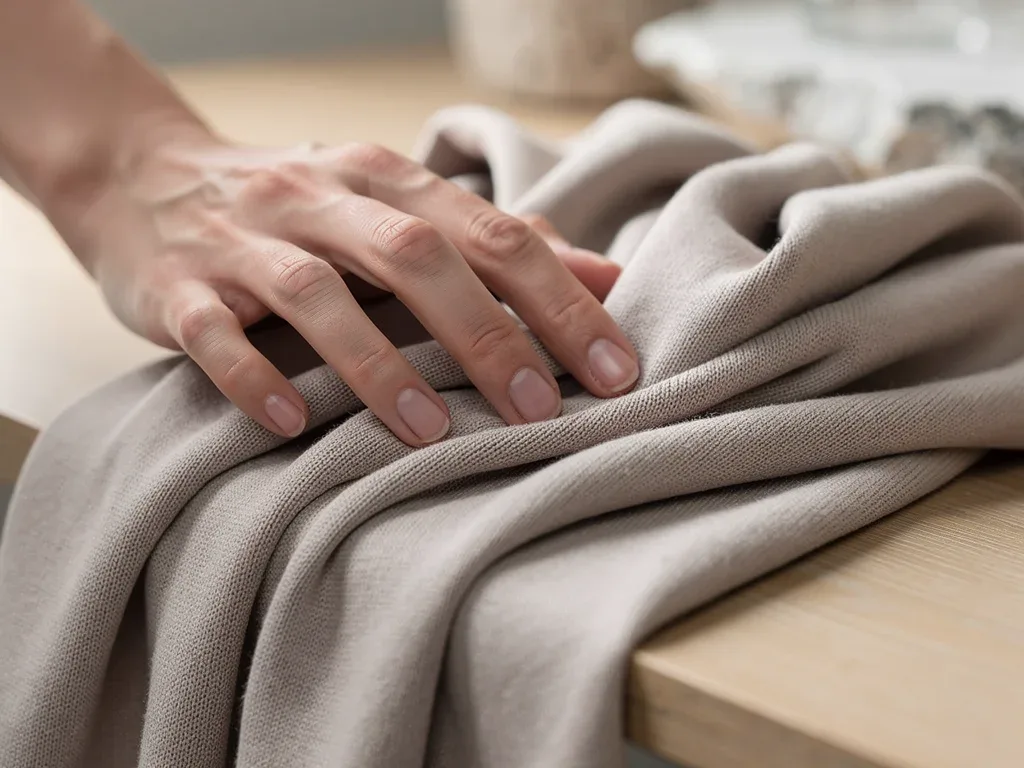
Tencel fibers are renowned for their incredible softness, often compared to silk, making them exceptionally gentle on the skin. This characteristic is crucial for luxury knitwear, where comfort is paramount.
The smooth surface of Tencel fibers also reduces skin irritation, a common issue with some wool types, enhancing the overall wear experience.
Beyond softness, Tencel excels in breathability and moisture management. It naturally wicks moisture away from the body, keeping the wearer cool and dry, which is a significant advantage over wool, especially in varying climates.
This makes Tencel blends versatile for year-round wear, further boosting their appeal in sustainable luxury knitwear.
Durability is another key factor. Tencel is a strong fiber, even when wet, which contributes to the longevity of garments.
This means Tencel knitwear can withstand repeated washing and wear without losing its shape or luxurious feel, offering a more sustainable and long-lasting investment for consumers seeking sustainable luxury knitwear.
Aesthetic Appeal and Versatility in Design
Tencel blends offer designers a versatile canvas for creating exquisite knitwear collections. The fiber's natural sheen and excellent dye uptake result in rich, vibrant colors that resist fading, maintaining the garment's luxurious appearance over time. This aesthetic quality is essential for the luxury market, where visual appeal is a primary driver.
The inherent drape of Tencel allows for fluid, elegant silhouettes that move beautifully with the body, enhancing the sophisticated look of knitwear.
Designers can create intricate patterns and fine gauges, pushing the boundaries of traditional knitwear design. This versatility contributes significantly to the adoption of sustainable luxury knitwear.
From delicate lightweight sweaters to cozy, chunky cardigans, Tencel blends can be engineered to suit a wide range of knitwear styles, appealing to diverse fashion sensibilities.
This adaptability ensures that sustainable luxury knitwear made from Tencel can cater to various fashion trends and consumer demands, solidifying its place in the market.
Innovations in Sustainable Luxury Knitwear Production
The rapid adoption of Tencel blends is spurring significant innovation in the production of sustainable luxury knitwear.
Manufacturers are investing in advanced technologies and processes to optimize the use of these eco-friendly fibers, ensuring both efficiency and superior product quality. This commitment to innovation is crucial for meeting evolving consumer expectations.
New spinning techniques are being developed to create finer, stronger, and more consistent Tencel yarns, allowing for greater design possibilities and enhanced garment performance.
These technological advancements are not only improving the quality of the final product but also reducing waste throughout the manufacturing process. This further distinguishes sustainable luxury knitwear.
Furthermore, brands are exploring innovative blends of Tencel with other sustainable fibers, such as organic cotton or recycled cashmere, to create unique textures and properties. These hybrid materials offer even greater versatility and sustainability credentials, pushing the boundaries of what is possible in sustainable luxury knitwear.
Advanced Manufacturing Techniques and Supply Chain Transparency
Manufacturers are increasingly adopting cutting-edge technologies like 3D knitting, which allows for the creation of seamless garments with minimal waste. This method significantly reduces fabric scraps, a major environmental benefit, and enables more precise and intricate designs. Such innovations are vital for the growth of sustainable luxury knitwear.
Transparency in the supply chain is also becoming a non-negotiable aspect of sustainable luxury knitwear. Brands are providing detailed information about the origin of their Tencel fibers, their production processes, and their ethical certifications.
This level of transparency builds trust with consumers and ensures accountability across the entire value chain.
From forest to finished garment, every step is being scrutinized to ensure environmental and social responsibility. This holistic approach to production, combined with technological advancements, is setting new benchmarks for sustainability in the luxury fashion sector, especially for sustainable luxury knitwear.
The Role of Certifications and Ethical Sourcing
Certifications play a crucial role in validating the sustainability claims of Tencel and other eco-friendly fibers. Standards such as the Forest Stewardship Council (FSC) and Programme for the Endorsement of Forest Certification (PEFC) ensure that wood pulp used for Tencel comes from responsibly managed forests. These certifications provide consumers with confidence in their sustainable luxury knitwear purchases.
Beyond fiber sourcing, certifications like OEKO-TEX Standard 100 guarantee that textiles are free from harmful substances, ensuring product safety and environmental responsibility throughout the dyeing and finishing processes. These independent verifications are essential for maintaining the integrity of sustainable luxury knitwear.
Ethical sourcing extends to labor practices, with brands increasingly committing to fair wages and safe working conditions throughout their supply chains.
This comprehensive approach to ethical production reinforces the value proposition of sustainable luxury knitwear, appealing to a consumer base that demands both quality and conscience. The commitment to ethical practices is a cornerstone of sustainable luxury knitwear.
Market Impact and Future Outlook for Sustainable Luxury Knitwear
The shift towards Tencel blends in luxury knitwear is more than just a passing trend; it represents a fundamental change in market dynamics.
As 60% of trendsetters embrace these sustainable alternatives, the broader fashion industry is taking note, leading to significant investments and strategic adjustments. This movement is poised to redefine what constitutes luxury in the coming years.
Major fashion houses and emerging designers are incorporating Tencel into their collections, recognizing the growing consumer demand for eco-conscious options. This widespread adoption is driving innovation in materials science and production techniques, making sustainable luxury knitwear more accessible and desirable than ever before. The market for sustainable luxury knitwear is expanding.
The future outlook for sustainable luxury knitwear appears robust, with forecasts predicting continued growth as environmental awareness intensifies and technological advancements make sustainable materials even more competitive.
This signals a promising era for fashion that harmonizes elegance with ecological responsibility, especially in sustainable luxury knitwear.
Consumer Behavior and Brand Adaptation
Consumer behavior is increasingly influenced by ethical considerations, with a growing segment willing to pay a premium for sustainable products.
This demand is compelling brands to adapt their offerings and marketing strategies, highlighting the environmental benefits and ethical sourcing of their materials. The desire for sustainable luxury knitwear is a key driver.
Brands that successfully integrate sustainability into their core values and product lines are gaining a competitive edge, fostering stronger brand loyalty among environmentally conscious consumers.
This adaptation involves not only using materials like Tencel but also communicating their sustainability journey transparently to their audience. This strengthens the appeal of sustainable luxury knitwear.
From luxury boutiques to major online retailers, the presence of Tencel-based knitwear is expanding, indicating a broad acceptance and integration of sustainable practices across the fashion retail landscape. This shift reflects a strategic response to evolving consumer values and the growing importance of sustainable luxury knitwear.
Investment and Growth in Eco-Friendly Textiles
The burgeoning market for sustainable luxury knitwear is attracting significant investment in research and development for eco-friendly textiles.
Companies are pouring resources into enhancing the properties of Tencel and exploring new sustainable fibers, aiming to create materials that are both high-performing and environmentally benign. This investment fuels the growth of sustainable luxury knitwear.
Governments and regulatory bodies are also playing a role, implementing policies that encourage sustainable production practices and incentivize the use of eco-friendly materials. These supportive frameworks create a more favorable environment for the growth and adoption of textiles like Tencel, further boosting sustainable luxury knitwear.
As the demand for sustainable luxury knitwear continues to rise, the market for eco-friendly textiles is expected to expand dramatically. This growth is not only good for the environment but also for the economy, creating new jobs and fostering innovation within the fashion and textile industries, especially in the realm of sustainable luxury knitwear.
The Economic and Social Implications of This Shift
The widespread adoption of Tencel blends for sustainable luxury knitwear carries significant economic and social implications, extending beyond mere fashion trends.
This transition impacts global supply chains, labor practices, and the economic viability of traditional textile industries. The shift represents a move towards a more equitable and sustainable global economy.
Economically, the increased demand for Tencel is stimulating investment in sustainable forestry and pulp production, creating new jobs and fostering economic growth in these sectors.
Conversely, traditional wool-producing regions may face challenges, necessitating adaptation and diversification of their economies. The economic landscape for sustainable luxury knitwear is evolving rapidly.
Socially, this shift promotes greater awareness of ethical consumption and encourages more transparent labor practices across the textile industry. Consumers are increasingly empowered to make choices that align with their values, driving a demand for fair wages and safe working conditions. This is a crucial aspect of sustainable luxury knitwear.
Impact on Global Supply Chains and Labor Practices
The growing preference for Tencel in sustainable luxury knitwear is reshaping global supply chains. Brands are increasingly seeking suppliers who can provide certified sustainable materials, leading to a re-evaluation of existing sourcing networks. This demand fosters greater efficiency and environmental responsibility throughout the production process.
In terms of labor practices, the emphasis on sustainability often correlates with a commitment to ethical labor standards.
Companies adopting Tencel and other sustainable materials are frequently scrutinizing their factories for fair wages, safe working conditions, and the absence of forced or child labor. This ensures that sustainable luxury knitwear is produced ethically.
This heightened scrutiny and demand for ethical production can lead to improved working conditions and livelihoods for textile workers worldwide. As consumers become more aware of the human cost of fast fashion, the demand for ethically produced sustainable luxury knitwear will only grow, driving positive change.
Challenges and Opportunities for Traditional Wool Producers
The rise of Tencel blends presents both challenges and opportunities for traditional wool producers. The primary challenge lies in maintaining market share against a growing tide of sustainable alternatives, particularly in the luxury segment. This necessitates innovation and adaptation within the wool industry to remain competitive.
Opportunities arise for wool producers who embrace sustainable and ethical farming practices. Certifications for responsible wool standards, such as the Responsible Wool Standard (RWS), can help differentiate their products and appeal to the environmentally conscious consumer. This allows them to participate in the broader sustainable luxury knitwear market.
Furthermore, innovation in wool processing, such as developing blends with Tencel or improving the environmental footprint of wool production, can open new markets and maintain relevance. The key for traditional wool producers is to adapt and integrate sustainable practices to meet the evolving demands for sustainable luxury knitwear.
Key Aspect | Brief Description |
|---|---|
Trendsetter Shift | 60% of trendsetters prefer Tencel over traditional wool for knitwear. |
Tencel Advantages | Superior softness, breathability, durability, and eco-friendly production. |
Wool Concerns | Environmental impact and ethical issues in traditional wool production. |
Market Outlook | Continued growth in sustainable luxury knitwear due to consumer demand. |
Frequently Asked Questions About Sustainable Luxury Knitwear
What makes Tencel a sustainable choice for luxury knitwear?▼
Tencel fibers are derived from sustainably managed wood sources and produced using a closed-loop system that recycles solvents and water. This minimizes environmental impact, making it an eco-conscious alternative to traditional fibers. Its biodegradability further enhances its sustainability profile, aligning with the values of sustainable luxury knitwear.
How does Tencel knitwear compare to wool in terms of feel and performance?▼
Tencel knitwear is celebrated for its exceptional softness, often described as silk-like, and superior breathability. It also offers excellent moisture-wicking properties, keeping the wearer comfortable. While wool is known for warmth, Tencel provides a luxurious feel and versatile performance, making it a strong contender for sustainable luxury knitwear.
Are there ethical concerns associated with traditional wool production?▼
Yes, traditional wool production can raise ethical concerns regarding animal welfare, such as mulesing practices, and environmental issues like land degradation and methane emissions. These concerns are driving consumers towards more ethically sourced materials like Tencel for their sustainable luxury knitwear choices.
What certifications should I look for in sustainable luxury knitwear?▼
When purchasing sustainable luxury knitwear, look for certifications like FSC (Forest Stewardship Council) or PEFC (Programme for the Endorsement of Forest Certification) for Tencel, ensuring responsible sourcing. OEKO-TEX Standard 100 ensures the absence of harmful substances. These provide assurance of environmental and ethical standards.
What is the future outlook for sustainable luxury knitwear?▼
The future for sustainable luxury knitwear is bright, with continued growth expected as consumer demand for ethical and eco-friendly fashion intensifies. Brands are increasingly investing in innovative materials and transparent supply chains, solidifying Tencel's role and expanding the market for conscious luxury apparel. This trend is set to continue.
Looking Ahead: The Evolving Landscape of Luxury Fashion
The significant shift towards Sustainable Luxury Knitwear underscores a broader re-evaluation within the luxury fashion sector. This movement is not just about material substitution but about a holistic commitment to environmental stewardship and ethical production. It signals a future where luxury is intrinsically linked to responsibility and transparency.
As this trend gains further momentum, we can expect continued innovation in sustainable textile development and an even greater emphasis on supply chain traceability. Consumers will increasingly demand verifiable proof of sustainability, pushing brands to adopt more rigorous standards and certifications.
The dialogue around sustainable luxury knitwear will evolve to encompass broader aspects of corporate social responsibility, impacting everything from design to retail practices.
The long-term implications suggest a recalibration of value in luxury fashion, where the story behind the garment—its origin, production, and environmental impact—becomes as crucial as its aesthetic appeal. This evolving landscape promises a more conscious, innovative, and sustainable future for luxury knitwear, with Tencel blends leading the charge.