Transition Summer Dresses to Fall: Your Styling Guide
Advertisements
Maximize your wardrobe by learning how to transition summer dresses into fall with our comprehensive styling guide. This expert advice provides practical steps and innovative ideas to extend the wear of your favorite garments, ensuring a stylish and sustainable approach to seasonal fashion.
The shift from summer to fall often presents a wardrobe dilemma for many fashion enthusiasts. The question of how to extend the life of beloved summer dresses without looking out of place in cooler temperatures is a common one, driving significant interest in adaptable styling solutions. Our focus today is to provide a step-by-step guide on how to transition summer dresses effectively, allowing you to utilize up to 80% of your warm-weather wardrobe well into autumn.
This article will delve into practical layering techniques, smart accessory choices, and strategic footwear pairings that transform light, airy summer garments into chic, fall-appropriate ensembles. We aim to equip you with the knowledge to make your wardrobe more versatile and sustainable, moving beyond single-season wear. Understanding these methods is key to refreshing your style while maximizing your existing collection.
Embracing the Layering Art for Fall Readiness
Layering is undeniably the cornerstone of any successful wardrobe transition, particularly when aiming to adapt summer dresses for cooler fall weather. This technique not only adds necessary warmth but also introduces new textures and dimensions to an outfit, completely transforming its seasonal appeal. Mastering the art of layering allows for versatility, enabling adjustments throughout the day as temperatures fluctuate.
The strategic use of various garments beneath or over your summer dresses can dramatically alter their function and aesthetic. From thin turtlenecks providing a base layer to chunky cardigans offering external warmth, each piece plays a crucial role in creating a cohesive fall look. This approach makes it possible to wear lighter fabrics that typically define summer fashion, even when the air turns crisp.
Furthermore, thoughtful layering extends the lifespan of your summer wardrobe, promoting a more sustainable fashion practice by reducing the need for an entirely new set of clothes each season. It encourages creativity and experimentation, turning what might seem like a limitation into an exciting opportunity for style innovation. Effectively, layering is the key to how you can transition summer dresses.
The Foundation: Base Layers and Underpinnings
Starting with the right base layer is crucial for comfort and warmth when adapting summer dresses. A thin, long-sleeved top, such as a turtleneck or a simple crew neck, worn underneath a sleeveless or short-sleeved dress, can instantly make it fall-appropriate. This adds a clean, sophisticated line while providing essential insulation against the chill.
Consider materials like merino wool or thermal blends for optimal warmth without bulk, especially as the temperatures drop further. The color of your base layer can also significantly impact the overall look; a contrasting color can create a bold statement, while a complementary shade offers a more seamless and understated transition. This simple addition is a primary method to transition summer dresses.
- Opt for thin, long-sleeved tops in neutral tones like black, white, or cream.
- Experiment with striped or patterned base layers for an added visual interest.
- Ensure the fabric is comfortable against the skin and doesn't add unnecessary bulk.
Outerwear as a Game Changer
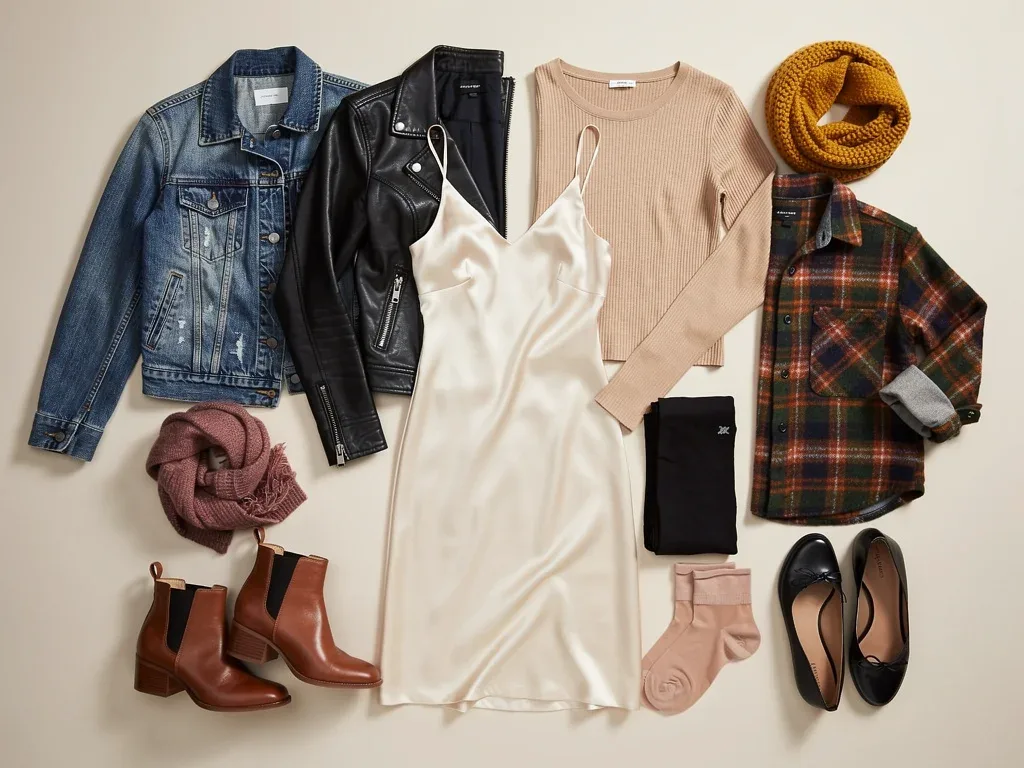
The right piece of outerwear can completely redefine a summer dress for fall. Denim jackets offer a casual, laid-back vibe, perfect for daytime outings, while a tailored blazer instantly elevates a simple dress for more formal occasions or office wear. Leather jackets, on the other hand, inject an edgy, contemporary feel, making any dress look instantly cooler.
Longer coats, such as trench coats or wool overcoats, provide maximum warmth and sophistication, ideal for colder days. The key is to choose outerwear that complements the silhouette and fabric of your dress, creating a balanced and stylish ensemble. This step is vital for how to transition summer dresses.
- A classic denim jacket pairs well with almost any casual summer dress.
- Invest in a versatile blazer in a neutral color for elevated styling.
- A leather jacket adds an instant edge and warmth to lighter fabrics.
Strategic Footwear and Accessory Pairings
Beyond layering garments, the choice of footwear and accessories plays an equally critical role in transforming your summer dresses for the fall season. These elements can drastically change the perception of an outfit, moving it from beach-ready to autumn-chic with just a few thoughtful additions. The right shoes and accessories not only provide warmth but also anchor the entire fall aesthetic.
Boots, in their myriad forms, are perhaps the most impactful footwear choice for fall, instantly grounding a flowy summer dress. Similarly, scarves, hats, and belts offer opportunities to introduce seasonal textures, colors, and additional layers of warmth. These strategic pairings are essential for any successful attempt to transition summer dresses into a new seasonal context.
Understanding how to harmonize these elements with your existing summer dresses will unlock a vast array of new outfit possibilities, extending the utility and stylistic range of your wardrobe. It’s about creating a cohesive look that feels appropriate for the cooler weather while maintaining your personal style. This is a fundamental aspect of how to transition summer dresses effectively.
Boot Up: From Ankle to Knee-High
Boots are an indispensable part of any fall wardrobe and are incredibly effective in making summer dresses suitable for cooler temperatures. Ankle boots, whether combat, Chelsea, or heeled, pair wonderfully with midi and maxi dresses, adding a touch of ruggedness or sophistication depending on the style. They offer a comfortable and stylish alternative to summer sandals or flats.
Knee-high or over-the-knee boots provide even more warmth and can create a dramatic, fashion-forward look when worn with shorter dresses or those with a higher slit. The material of the boot, such as suede or leather, also contributes to the autumnal feel. Choosing the right boot style is crucial for successfully adapting summer dresses.
- Pair combat boots with floral dresses for an unexpected, edgy contrast.
- Elevate a simple slip dress with sleek heeled ankle boots.
- Over-the-knee boots offer maximum warmth and a chic statement with mini dresses.

The Power of Scarves, Hats, and Belts
Accessories are not merely embellishments; they are functional tools in transitioning your wardrobe. A chunky knit scarf provides warmth around the neck and adds a cozy texture, instantly signaling fall. Wide-brimmed felt hats or beanies can also contribute to the seasonal shift while offering protection from the elements.
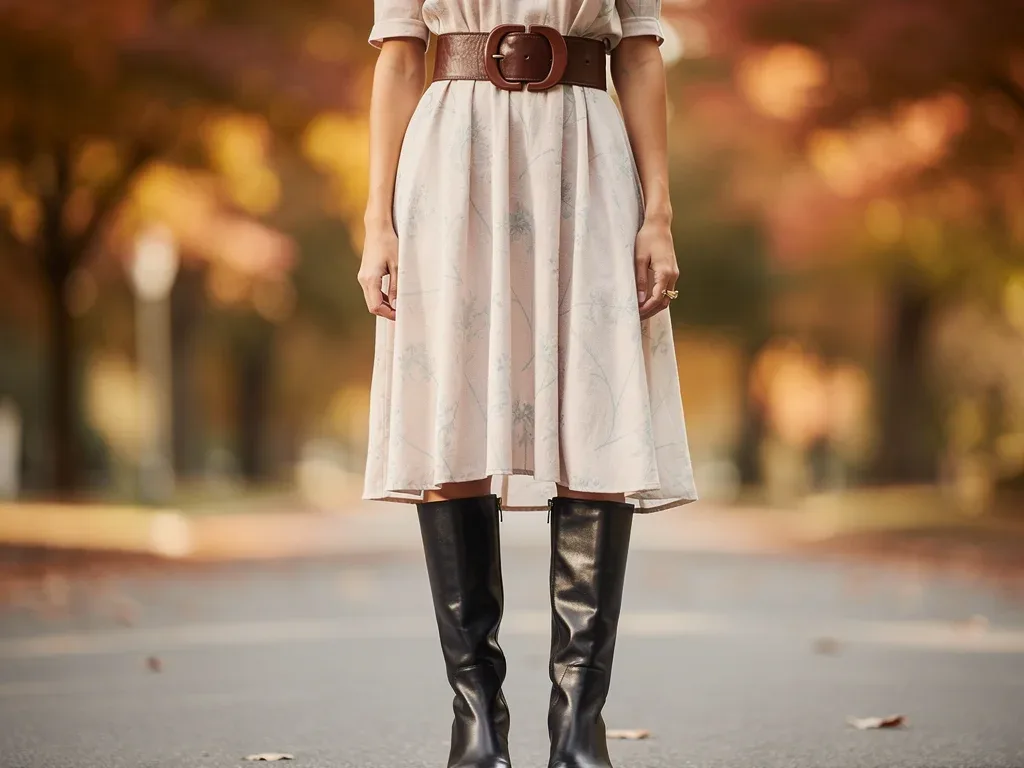
Belts are another powerful accessory, capable of cinching the waist of a loose summer dress, creating a more structured and fall-appropriate silhouette. They can also introduce different materials like leather or suede, further enhancing the autumnal vibe. These small additions are key to how to transition summer dresses seamlessly.
- Use a thick, patterned scarf to add color and warmth.
- A wide leather belt can define the waist of a flowy dress.
- Experiment with beanies or felt hats for a complete fall ensemble.
Texture and Fabric Play for Autumnal Vibes
When considering how to transition summer dresses, the interplay of textures and fabrics becomes incredibly important. Summer dresses are often made from light, breathable materials like cotton, linen, or rayon. To adapt these for fall, introducing heavier, more tactile fabrics through layering and accessories is essential. This creates a visually and physically warmer ensemble.
Think about incorporating elements like wool, corduroy, tweed, or even velvet into your outfit. These fabrics inherently carry an autumnal feel and can ground the lighter textures of your summer dresses. The contrast between delicate summer fabrics and robust fall materials creates a dynamic and sophisticated look that is perfectly suited for the changing season.
This thoughtful integration of diverse textures not only enhances the visual interest of your outfit but also provides the necessary insulation for cooler temperatures. It's about building a harmonious blend that signals warmth and style without sacrificing your favorite summer pieces. This careful consideration of materials is crucial for successfully adapting and styling your summer dresses.
Integrating Knits and Cozy Fabrics
One of the most effective ways to introduce fall textures is through knitwear. A chunky knit cardigan draped over a floral maxi dress instantly transforms it into a cozy, autumn-ready outfit. Similarly, a fine-gauge knit sweater worn over a slip dress, perhaps with the addition of a belt, offers a chic and warm combination. The softness and warmth of knits are perfect for fall.
Consider also the use of sweater vests or even a lightweight cashmere pullover layered over a shirt dress. These additions provide both comfort and a clear seasonal shift. The goal is to create a sense of snugness and warmth that contrasts beautifully with the underlying summer fabric. This is a practical approach to how to transition summer dresses.
- Layer a chunky knit cardigan over a delicate summer dress for warmth.
- Wear a fitted sweater over a slip dress, cinching with a belt for definition.
- Experiment with different knit patterns and textures to add visual interest.
Denim, Leather, and Suede Accents
Beyond knitwear, materials like denim, leather, and suede are quintessential fall fabrics that can dramatically alter the seasonal context of a summer dress. A denim jacket, as mentioned, is a classic choice, but a denim shirt worn open over a dress or tied at the waist can also add a casual, rugged layer. These materials instantly make your outfit feel more substantial.
Leather and suede, whether in jackets, boots, or accessories like belts and bags, bring a luxurious and edgy touch. A suede vest over a cotton dress, or a leather belt cinching a flowy rayon dress, immediately signals a shift to cooler weather. These materials are key to adding depth and an autumnal feel, making it easier to transition summer dresses.
- A dark wash denim jacket provides a versatile and stylish outer layer.
- Incorporate a suede or leather belt to add texture and define your silhouette.
- Consider a leather or suede handbag to complement your fall-ready look.
Color Palette Shifts and Pattern Adaptation
While summer dresses often feature vibrant colors and bold patterns, adapting them for fall involves a strategic shift in the overall color palette and a careful consideration of how patterns interact with autumnal tones. This doesn't mean abandoning your favorite prints but rather tempering them with more subdued, seasonal hues through your layering pieces and accessories. This is another crucial step in how to transition summer dresses.
The goal is to create a harmonious balance, allowing your summer dress to serve as a bright accent against a backdrop of deeper, richer fall colors. Think about introducing shades of burgundy, forest green, mustard yellow, deep orange, or various browns and grays. These colors naturally evoke the fall season and can instantly make an outfit feel more appropriate for cooler weather.
Furthermore, understanding how to mix patterns, such as pairing a floral summer dress with a subtle plaid blazer, can add a sophisticated layer of complexity to your fall ensemble. This thoughtful approach to color and pattern ensures your summer dresses integrate seamlessly into your autumn wardrobe, extending their wearability and stylistic impact. It's an artful way to transition summer dresses.
Grounding Brights with Deeper Hues
To successfully transition a brightly colored or boldly patterned summer dress, introduce layering pieces and accessories in deeper, more muted fall tones. For instance, a vibrant floral dress can be grounded by a dark navy blazer, a charcoal grey cardigan, or rich burgundy boots. This juxtaposition creates visual interest while ensuring the outfit feels appropriate for the season.
Consider the color wheel when pairing; complementary colors can create a striking contrast, while analogous colors offer a more harmonious blend. The key is to use the deeper hues to anchor the brighter summer shades, making them feel less out of place in an autumn setting. This technique is vital for successfully adapting and styling your summer dresses.
- Pair a bright yellow dress with a deep olive green jacket.
- Layer a navy turtleneck under a pastel summer dress.
- Use rich brown or black accessories to ground vibrant prints.
Mixing Patterns and Textures Thoughtfully
Don't shy away from mixing patterns when transitioning your summer dresses, but do so with intention. A delicate floral summer dress can look incredibly chic when paired with a subtle plaid scarf or a houndstooth blazer. The key is to vary the scale of the patterns and ensure there's a unifying color element to tie them together. This adds sophistication and depth to your look.
Similarly, mixing textures, such as a silk slip dress with a chunky cable knit cardigan, creates a tactile richness that is inherently autumnal. These combinations demonstrate a sophisticated understanding of style and make your summer dresses feel fresh and new for the fall season. This is a creative way to transition summer dresses into a multi-seasonal wardrobe.
- Combine a small-scale floral print with a larger, more subdued plaid.
- Ensure one pattern is dominant, and the other serves as an accent.
- Use solid-colored pieces to break up and balance mixed patterns.
Adapting Silhouettes and Proportions
When you aim to transition summer dresses, it's not just about adding layers and changing colors; it's also about thoughtfully adapting the silhouettes and proportions of your outfits. Summer dresses often feature loose, airy, and flowing designs, which may feel out of place as the weather cools. By strategically altering the perceived shape and structure, you can create a more fall-appropriate aesthetic.
This involves using elements like belts to cinch waists, creating more defined lines, or balancing voluminous dresses with fitted outerwear. The goal is to introduce a sense of structure and intention that aligns with fall fashion trends, which often favor more tailored and deliberate styling. These adjustments can completely refresh the look of a summer garment.
Understanding how to manipulate these visual elements allows for a greater degree of versatility, enabling your summer dresses to seamlessly integrate into your autumn wardrobe. It's about crafting a cohesive look that feels both comfortable and stylish for the cooler season. This approach is fundamental to successfully adapting and styling your summer dresses for extended wear.
Cinching and Defining the Waist
Many summer dresses feature loose, relaxed silhouettes that are perfect for hot weather but can feel less structured for fall. Introducing a belt is an easy yet powerful way to redefine the waist, creating a more tailored and autumnal shape. A wide leather belt can add a strong focal point, while a thinner belt can subtly enhance your figure.
This technique not only adds structure but also allows for the creation of new proportions within the outfit, making a flowy maxi dress, for instance, feel more intentional and less casual. Experiment with different belt styles and placements to find what best complements your dress and body shape. This is a simple but effective way to transition summer dresses.
- Use a wide belt to create an hourglass silhouette on a loose dress.
- A thin belt can subtly define the waist without adding bulk.
- Match your belt material to your footwear for a cohesive look.
Balancing Volume with Fitted Pieces
Summer dresses often come in voluminous styles, like empire waistlines or A-line cuts, which are comfortable and breezy. To adapt these for fall, balance the volume with more fitted layering pieces. For example, pair a voluminous smock dress with a tailored blazer or a fitted denim jacket. This creates an interesting contrast and prevents the outfit from looking shapeless.
Similarly, if you're wearing a fitted summer dress, you might opt for a more oversized cardigan or a loose-fitting trench coat to add a cozy, relaxed fall vibe. The interplay between fitted and loose elements is key to creating a dynamic and seasonally appropriate look. This balancing act is crucial when learning how to transition summer dresses for cooler weather.
- Pair a voluminous summer dress with a structured blazer or jacket.
- Layer a fitted long-sleeve top under a loose-fitting dress.
- Use accessories like scarves to add soft volume around the neck, contrasting with a sleek dress.
Maintenance and Fabric Care for Longevity
Successfully transitioning 80% of your summer dresses into fall isn't just about styling; it also hinges significantly on proper garment maintenance and fabric care. Summer dresses, often made from delicate or lightweight materials, require specific attention to ensure they withstand repeated wear and layering in cooler temperatures. Extending their life means treating them with care, especially when combining them with heavier fall pieces.
Understanding the washing instructions, storage recommendations, and repair needs for each fabric type is paramount. Proper care prevents premature wear and tear, maintains the integrity of the garment, and ensures it looks fresh and presentable throughout the fall season. This proactive approach to maintenance is an often- overlooked but critical aspect of sustainable fashion and wardrobe versatility.
By investing a little time in caring for your summer dresses, you not only preserve their beauty but also maximize your investment, making it truly possible to utilize them across multiple seasons. This diligence is a practical and sustainable way to ensure you can continue to transition summer dresses year after year. It underpins the entire strategy of seasonal wardrobe adaptation.
Understanding Fabric-Specific Care
Different summer dress fabrics demand different care routines. Cotton and linen, while durable, can wrinkle easily and may require gentle washing cycles. Silks and rayons often need hand washing or dry cleaning to maintain their drape and prevent shrinking or damage. Always check the care label on each garment to ensure you're following the manufacturer's recommendations.
Incorrect washing or drying can lead to color fading, fabric distortion, or pilling, all of which detract from the dress's appearance and longevity. Investing in appropriate detergents and understanding basic stain removal techniques can also significantly extend the life of your dresses. This knowledge is fundamental to how you can continue to transition summer dresses.
- Always read and follow the care labels on your dresses.
- Use gentle detergents and cold water for delicate fabrics.
- Air dry delicate items to prevent heat damage and shrinkage.
Storage and Minor Repairs
Proper storage is essential, even for garments you plan to wear year-round. Ensure dresses are clean before storing to prevent stains from setting or attracting pests. Use appropriate hangers to maintain their shape, especially for those made from heavier fabrics or with intricate details. Avoiding overcrowding your closet also helps prevent wrinkles and damage.
Additionally, addressing minor repairs promptly can prevent small issues from becoming major problems. A loose button, a small tear, or a snag can often be fixed easily at home, saving the garment from being discarded. These small acts of maintenance contribute significantly to the longevity and versatility of your summer dresses, allowing you to continually transition summer dresses.
- Store dresses in a cool, dry place away from direct sunlight.
- Address minor repairs like loose threads or small tears immediately.
- Consider garment bags for delicate or special occasion dresses.
Sustainability and Conscious Consumption
In an era increasingly focused on environmental impact, the ability to transition summer dresses into fall aligns perfectly with principles of sustainability and conscious consumption. Instead of purchasing an entirely new wardrobe for each season, adapting existing pieces significantly reduces textile waste and the demand for new production. This approach champions a more mindful relationship with fashion.
By extending the wearability of your summer dresses, you actively participate in slowing down the fast fashion cycle, which is notorious for its environmental footprint. It encourages creativity and resourcefulness, challenging individuals to see the potential in what they already own rather than constantly seeking new items. This shift benefits both your wallet and the planet.
Embracing a multi-seasonal wardrobe not only reduces waste but also fosters a deeper appreciation for the garments you possess. It transforms the act of getting dressed into an exercise in thoughtful styling, making a powerful statement about personal values. This conscious decision to transition summer dresses is a step towards a more sustainable fashion future.
Reducing Textile Waste
The fashion industry is a major contributor to global waste, with millions of tons of textiles ending up in landfills annually. By finding ways to wear your summer dresses for more than just one season, you directly contribute to reducing this waste. Each dress that finds new life in the fall is one less item that needs to be produced and eventually discarded. This simple act has a cumulative positive impact.
This practice also encourages a shift from a disposable mindset to one of longevity and utility, seeing clothes as investments rather than fleeting trends. It's a tangible way for individuals to make a difference in their consumption habits. This conscious effort makes it easier to justify and effectively transition summer dresses.
- Prioritize quality over quantity when purchasing new items.
- Consider the multi-seasonal potential of a garment before buying.
- Donate or repurpose clothes that can no longer be worn.
Maximizing Wardrobe Potential
A sustainable wardrobe is one that is maximized for its full potential across different seasons and occasions. Learning how to transition summer dresses into fall means unlocking new styling possibilities and extending the functional lifespan of garments you already own. This maximizes your investment and reduces the perceived need for constant new purchases.
It fosters creativity in styling, encouraging you to experiment with different combinations and layers that you might not have considered before. This approach not only saves money but also cultivates a more unique and personal style, as you become adept at reinventing your existing pieces. It's about getting more out of what you have, which is the essence of smart fashion.
- Look for versatile summer dresses that can easily be layered.
- Invest in transitional pieces like cardigans, blazers, and boots.
- Challenge yourself to create new outfits from existing wardrobe items.
Inspiring Personal Style and Confidence
Beyond the practicalities of warmth and sustainability, the ability to transition summer dresses into fall plays a significant role in inspiring personal style and boosting confidence. When you can creatively adapt your favorite garments to suit different seasons, it reflects a strong sense of personal fashion and resourcefulness. This adaptability allows for a unique expression that stands out.
Crafting versatile outfits from existing pieces demonstrates an understanding of fashion principles, moving beyond simply following trends. It empowers you to curate a wardrobe that truly reflects your individuality, rather than being dictated by seasonal cycles. This mastery over your style contributes to a greater sense of self-assurance and authenticity in your daily presentation.
The confidence that comes from knowing you can effortlessly adapt your look, making old pieces feel new again, is invaluable. It’s about feeling good in what you wear, regardless of the weather, and expressing your creativity through fashion. This deeper connection to your wardrobe is a powerful outcome of learning how to transition summer dresses effectively.
Cultivating a Unique Fashion Identity
By actively choosing to transition summer dresses, you move away from mass-produced, seasonal trends and cultivate a more unique fashion identity. This process involves experimenting with different combinations, discovering what truly resonates with your personal aesthetic, and developing a signature style that is distinctly yours. It’s about making intentional choices rather than reactive ones.
This approach encourages a deeper engagement with your clothes, fostering a sense of ownership and creativity over your wardrobe. It transforms dressing from a chore into an enjoyable act of self-expression. The outcome is a wardrobe that not only serves practical needs but also tells a story about who you are and how you approach style.
- Experiment with unexpected combinations to discover new looks.
- Don't be afraid to break traditional fashion rules to express yourself.
- Seek inspiration from fashion blogs and stylists, but adapt ideas to your own taste.
Empowerment Through Versatile Wardrobe
A versatile wardrobe that allows you to seamlessly transition summer dresses is inherently empowering. It means you are not limited by seasonal constraints or the constant pressure to buy new items. Instead, you have the flexibility and creativity to adapt your existing collection, making it work harder and smarter for you. This control over your style fosters a sense of independence.
Knowing that you can create multiple outfits from a single summer dress, suitable for various temperatures and occasions, provides a significant boost in confidence. It eliminates the stress of seasonal wardrobe overhauls and replaces it with the joy of creative styling. This empowerment extends beyond fashion, influencing how you approach other areas of your life with resourcefulness and self-assurance.
- Challenge yourself to create at least three fall outfits from one summer dress.
- Document your successful transitional outfits for future reference.
- Share your styling ideas with friends to inspire and be inspired.
| Key Strategy | Brief Description |
|---|---|
| Layering Techniques | Add base layers and outerwear like cardigans or blazers for warmth. |
| Footwear Transformation | Swap sandals for boots (ankle, knee-high) to instantly autumn-ize dresses. |
| Accessory Power | Utilize scarves, hats, and belts to add warmth, texture, and definition. |
| Color & Fabric Play | Introduce fall hues and heavier textures to balance summer fabrics. |
Frequently Asked Questions About Transitioning Summer Dresses
What percentage of summer dresses can realistically be transitioned into fall?▼With strategic layering, accessory choices, and footwear, it's highly realistic to transition 80% or more of your summer dresses into fall. The key lies in understanding how to adapt lighter fabrics and silhouettes for cooler temperatures, maximizing your existing wardrobe's versatility and extending its seasonal utility.
Which types of summer dresses are easiest to adapt for fall?▼Maxi dresses, midi dresses, and slip dresses are generally the easiest to transition. Their longer lengths provide more coverage, making them ideal for pairing with boots and various layers. Sleeveless or short-sleeved styles also offer more flexibility for adding long-sleeved base layers underneath, making them adaptable for fall.
What are the most essential layering pieces for this transition?▼Key layering pieces include thin long-sleeved turtlenecks or crew necks, versatile denim or leather jackets, and chunky knit cardigans. These items provide warmth without excessive bulk and can dramatically alter the seasonal feel of a summer dress, making them indispensable for a successful fall wardrobe transition.
How do footwear choices impact the fall transition of a summer dress?▼Footwear is crucial. Swapping open-toed sandals for closed-toe options like ankle boots, knee-high boots, or even stylish sneakers immediately grounds a summer dress for fall. Boots, in particular, add both warmth and a strong autumnal aesthetic, making them a primary tool for seasonal adaptation and styling.
Does color and fabric choice matter when transitioning dresses?▼Absolutely. While summer dresses often feature bright colors and light fabrics, introducing fall hues (like burgundy, forest green, or deep browns) and heavier textures (like wool, leather, or chunky knits) through layers and accessories is vital. This creates a cohesive, warm, and seasonally appropriate look, balancing summer vibrancy with autumnal depth.
Looking Ahead
The strategic approach to how you can transition summer dresses into fall represents more than just a seasonal style hack; it reflects a broader shift towards conscious consumption and versatile wardrobe planning. This method allows individuals to maximize their existing garments, reducing fashion waste and fostering a more sustainable relationship with clothing. It underscores the importance of creativity and resourcefulness in personal styling, moving away from the constant pressure of new purchases. Embracing these techniques empowers consumers to curate a wardrobe that is both functional and expressive, adaptable to changing climates and evolving personal tastes. This forward-thinking perspective is vital for the future of fashion and individual expression.