Upcycling Luxury: 42% US Shoppers Choose Resale Boutiques
Advertisements
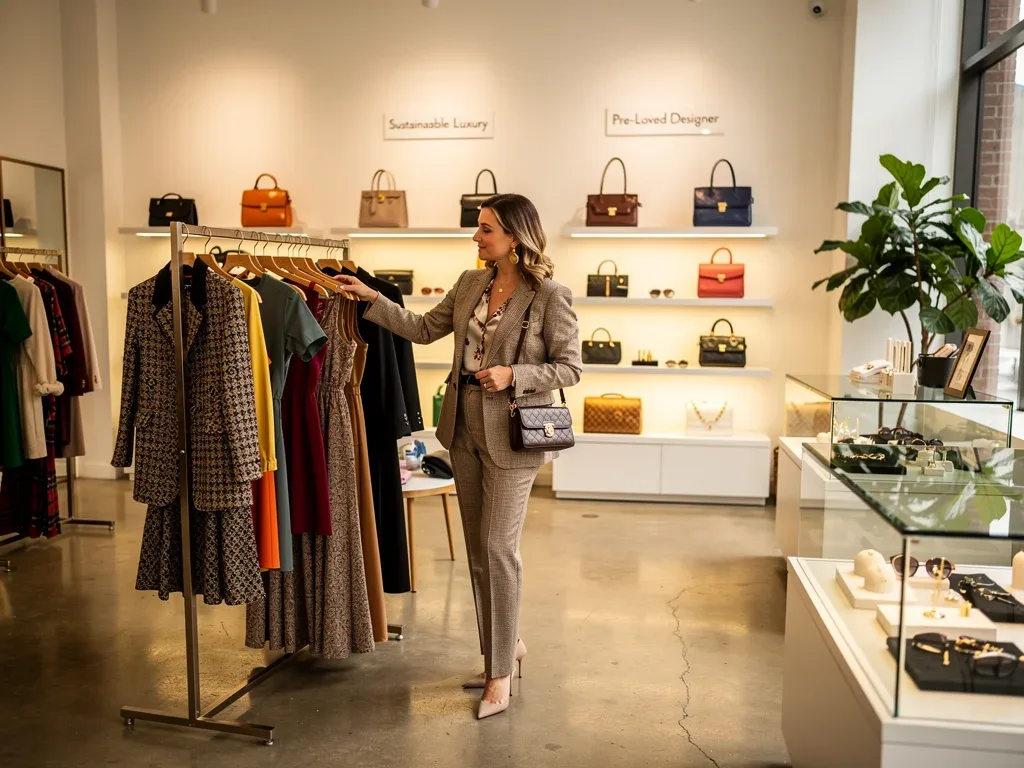
Latest developments on Upcycling Luxury: Why 42% of US Shoppers Are Choosing Resale Boutiques Over Traditional Department Stores, with key facts, verified sources and what readers need to monitor next in Estados Unidos, presented clearly in Inglês (Estados Unidos) (en-US).
Upcycling Luxury: Why 42% of US Shoppers Are Choosing Resale Boutiques Over Traditional Department Stores is shaping today’s agenda with new details released by officials and industry sources. This update prioritizes what changed, why it matters and what to watch next, in a straightforward news format.
The Rise of Upcycling Luxury Resale Boutiques
The landscape of luxury retail in the United States is undergoing a significant transformation, with a notable shift in consumer preferences. A recent study indicates that 42% of US shoppers are now opting for upcycling luxury resale boutiques over traditional department stores, a trend that speaks volumes about evolving values and purchasing habits.
This pivot is not merely a fleeting fad but reflects deeper consumer motivations, including a heightened awareness of sustainability, the allure of unique and exclusive pieces, and the economic advantages of pre-owned luxury. The growth of upcycling luxury resale boutiques challenges established retail models, forcing a re-evaluation of strategies across the entire luxury sector.
Understanding this paradigm shift is crucial for stakeholders, from brand executives to individual consumers. The implications extend beyond sales figures, touching on brand perception, environmental impact, and the future direction of high-end fashion and accessories.
Shifting Consumer Values: Sustainability and Exclusivity
A primary driver behind the surge in popularity of upcycling luxury resale boutiques is the growing consumer demand for sustainable practices. Shoppers are increasingly conscious of the environmental footprint of new production, making pre-owned items an attractive, eco-friendly alternative.
Beyond environmental concerns, the desire for exclusivity and uniqueness plays a pivotal role. Resale boutiques often feature rare, vintage, or limited-edition pieces that are no longer available in traditional retail settings, offering a sense of individuality and distinctiveness that mass-produced luxury often lacks.
This combination of ethical consumption and the pursuit of unique style positions upcycling luxury resale boutiques as a powerful force in the market. It caters to a demographic that values both conscience and curated aesthetics, reinforcing the appeal of upcycling luxury resale boutiques.
The Environmental Imperative in Luxury
The fashion industry, particularly luxury, has faced scrutiny for its environmental impact, from manufacturing processes to waste generation. Upcycling luxury resale boutiques provide a circular economy model, extending the life cycle of high-value goods and reducing demand for new production.
Consumers, especially younger demographics, are actively seeking brands and retailers that align with their ethical values. This has led to a significant increase in patronage for upcycling luxury resale boutiques, as they inherently embody principles of reuse and reduced consumption.
Finding Unique Pieces and Vintage Treasures
- Resale platforms offer access to discontinued or hard-to-find luxury items, providing a distinct advantage over new collections.
- The thrill of discovering a rare vintage piece contributes significantly to the appeal, fostering a sense of adventure in shopping.
- Many shoppers view these unique finds as investments, recognizing their potential to appreciate in value over time.
Economic Factors Fueling the Resale Boom
The economic landscape also plays a crucial role in the growing preference for upcycling luxury resale boutiques. High inflation and economic uncertainty have made consumers more budget-conscious, even within the luxury segment, making pre-owned items a more accessible entry point into high-end fashion.
Purchasing luxury goods through resale channels often allows consumers to acquire coveted brands at a fraction of their original price. This affordability factor democratizes luxury, making it attainable for a broader audience who might otherwise be priced out of the market.
Moreover, the investment potential of certain luxury items, particularly handbags and watches, encourages shoppers to view their purchases as assets. This financial pragmatism further solidifies the position of upcycling luxury resale boutiques in the modern retail ecosystem.
Affordability and Value Proposition
The significant price difference between new and pre-owned luxury items is often the primary motivator for many shoppers. This allows them to stretch their budgets further or acquire higher-tier brands than they could afford new.
The perception of getting 'more for less' is a powerful draw, especially when the quality and authenticity of the pre-owned items are guaranteed by reputable upcycling luxury resale boutiques. This value proposition is difficult for traditional department stores to match.
Investment Potential of Pre-Owned Luxury
- Certain luxury handbags, watches, and jewelry pieces retain or even increase their value over time, acting as tangible investments.
- Resale markets provide liquidity for these assets, allowing owners to sell items they no longer use and recoup a significant portion of their initial outlay.
- The transparency and authentication services offered by leading upcycling luxury resale boutiques build consumer confidence in the long-term value of their purchases.
Challenges for Traditional Department Stores
The shift towards upcycling luxury resale boutiques presents considerable challenges for traditional department stores. These retailers, historically pillars of luxury commerce, must now contend with evolving consumer expectations and a competitive landscape reshaped by digital platforms and sustainable alternatives.
Department stores are struggling to adapt their business models to incorporate sustainability and offer the unique inventory that resale markets provide. Their reliance on new season collections and extensive brand partnerships sometimes limits their agility in responding to these new demands.
The decline in foot traffic, coupled with the rise of online upcycling luxury resale boutiques, further exacerbates their difficulties. Adapting requires significant investment in new strategies, potentially including their own foray into resale or enhanced experiential retail.
The Role of Digital Platforms and Authentication
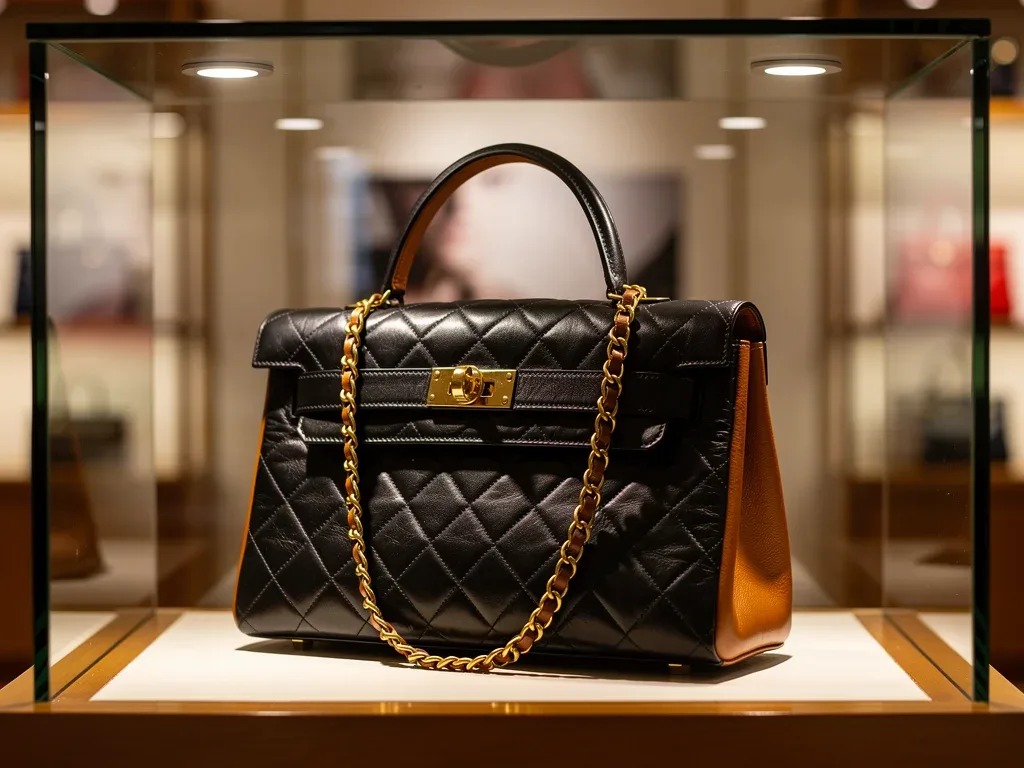
The proliferation of online upcycling luxury resale boutiques has been instrumental in democratizing access to pre-owned luxury. These digital platforms offer unparalleled convenience, allowing consumers to browse and purchase items from anywhere, at any time.
A critical component of their success is robust authentication processes. Reputable platforms invest heavily in verifying the authenticity of every item, building trust with consumers and mitigating concerns about counterfeits, which was once a major barrier to entry for the resale market.
The seamless online experience, coupled with stringent quality control and authenticity guarantees, makes upcycling luxury resale boutiques highly attractive. This digital infrastructure continues to drive the market's expansion and consumer confidence.
Convenience and Accessibility Online
Online upcycling luxury resale boutiques remove geographical barriers, allowing shoppers to access a global inventory of luxury goods. This broadens selection significantly beyond what any single physical store could offer.
The ability to shop from home, compare prices easily, and read reviews contributes to a highly convenient and informed purchasing decision. This ease of access is a key factor in the rapid growth of the upcycling luxury resale boutiques sector.
Ensuring Authenticity and Trust
- Advanced authentication technologies, often involving AI and expert verification, are standard practice for leading platforms.
- Detailed product descriptions, multiple high-resolution images, and transparent condition reports build consumer confidence.
- Buyer protection policies and easy return processes further reassure shoppers, making transactions with upcycling luxury resale boutiques reliable.
Impact on Luxury Brands and Future Collaborations
Luxury brands are increasingly recognizing the undeniable influence of upcycling luxury resale boutiques. Initially viewed with skepticism, the resale market is now seen as a valuable channel for engaging new customers, promoting sustainability, and potentially extending brand narratives.
Some luxury brands are beginning to explore direct partnerships or even launch their own certified pre-owned programs. This strategic shift acknowledges the permanence of the resale market and aims to integrate it into their overall business strategy, rather than fighting against it.
These collaborations could redefine brand-consumer relationships, offering new avenues for customer loyalty and brand storytelling. The future may see a more symbiotic relationship between primary luxury retailers and upcycling luxury resale boutiques.
Consumer Demographics and Market Growth
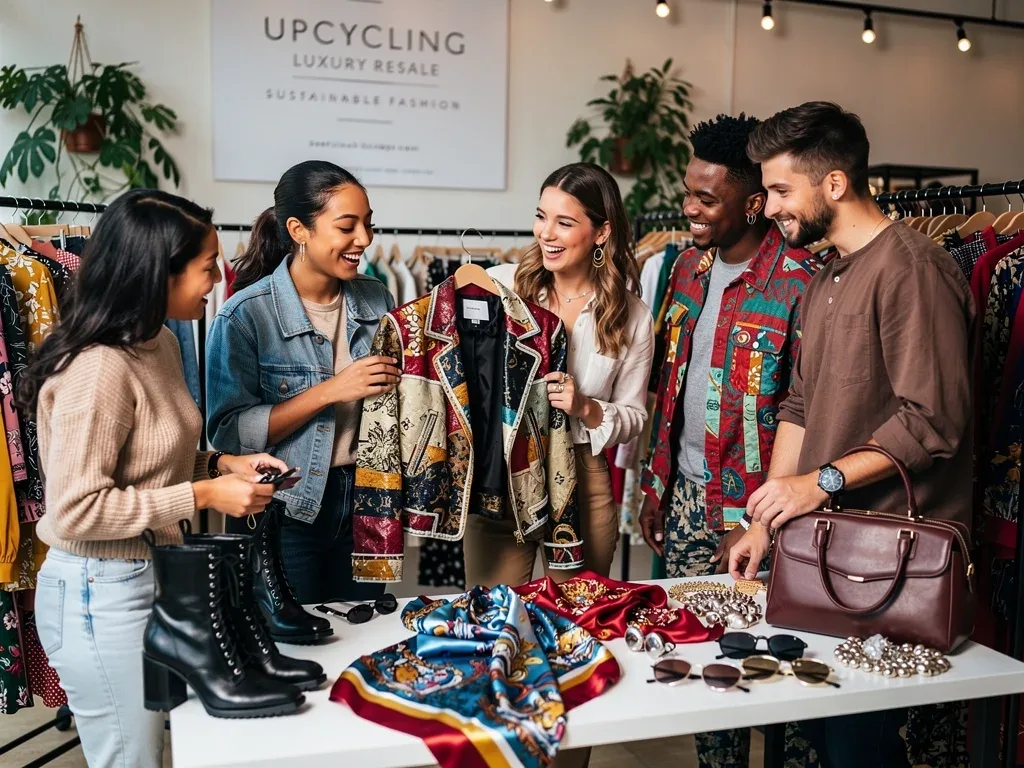
The demographic profile of shoppers engaging with upcycling luxury resale boutiques is diverse but shows a strong leaning towards younger, digitally native generations. Millennials and Gen Z are particularly attuned to sustainability and value-driven consumption, making them key drivers of this trend.
Market analysts project continued robust growth for the upcycling luxury resale boutiques sector, outpacing traditional luxury retail in many segments. This growth is fueled by increasing consumer adoption, expanding inventory, and continuous innovation in platform technology and services.
The expanding market share signals a long-term shift in how luxury is consumed and perceived. As more consumers become aware of the benefits, the market for upcycling luxury resale boutiques is set to expand further.
The Experiential Appeal of Resale Boutiques
Beyond the practical benefits, upcycling luxury resale boutiques often offer a distinct shopping experience that differs significantly from traditional retail. The treasure hunt aspect, the discovery of rare items, and the personalized service contribute to a unique and engaging retail environment.
Many physical resale boutiques cultivate a curated, intimate atmosphere, providing a sense of community for fashion enthusiasts. This experiential element fosters loyalty and makes shopping for pre-owned luxury an enjoyable and memorable activity.
This focus on experience, combined with the inherent excitement of finding a unique piece, creates a compelling alternative to the often-standardized experience of large department stores. It reinforces why upcycling luxury resale boutiques are gaining traction.
Future Outlook: A Hybrid Luxury Market
The trajectory of the luxury market suggests a future where primary and secondary markets are increasingly intertwined. Traditional department stores may need to integrate resale models, offer repair services, or collaborate more extensively with upcycling luxury resale boutiques to stay relevant.
Consumers will likely continue to embrace a hybrid approach, purchasing new items when desired and turning to resale for sustainability, value, or unique finds. This evolving ecosystem demands adaptability and innovation from all players in the luxury sector.
The sustained growth of upcycling luxury resale boutiques indicates a fundamental shift in consumer behavior and market dynamics. The luxury industry must continue to adapt to these changing preferences to thrive in the coming years.
| Key Point | Brief Description |
|---|---|
| Consumer Shift | 42% of US shoppers prefer upcycling luxury resale boutiques. |
| Driving Factors | Sustainability, exclusivity, and economic value are key motivators. |
| Market Impact | Challenges traditional retail and fosters brand collaborations. |
| Future Outlook | Hybrid luxury market with integrated primary and secondary sales. |
Frequently Asked Questions About Luxury Resale
Why are US shoppers choosing upcycling luxury resale boutiques?▼US shoppers are increasingly drawn to upcycling luxury resale boutiques for several reasons. Key factors include a strong desire for sustainable consumption, the appeal of finding unique or vintage luxury items, and the economic benefit of acquiring high-end goods at more accessible prices compared to new retail.
How do resale boutiques ensure authenticity?▼Reputable upcycling luxury resale boutiques employ rigorous multi-point authentication processes. This often involves expert authenticators, advanced technological tools, and detailed assessments of materials, craftsmanship, and hallmarks. Building trust through guaranteed authenticity is paramount to their business model.
What kind of luxury items can be found in upcycling resale?▼Upcycling luxury resale boutiques offer a vast array of high-end items, including designer handbags, watches, jewelry, clothing, shoes, and accessories. Shoppers can find everything from current season pieces to rare vintage collectibles, catering to diverse tastes and budgets within the luxury segment.
Is shopping at resale boutiques more sustainable?▼Yes, shopping at upcycling luxury resale boutiques is generally considered more sustainable. It promotes a circular economy by extending the lifespan of existing luxury goods, thereby reducing the demand for new production and minimizing environmental impacts associated with manufacturing and waste.
How are traditional department stores reacting to this trend?▼Traditional department stores are navigating this shift with varied strategies. Some are exploring partnerships with resale platforms, while others are focusing on enhancing in-store experiences or developing their own take-back programs. The goal is to adapt to changing consumer values and maintain relevance in a dynamic market.
Impact and Implications
The sustained preference for upcycling luxury resale boutiques signals a fundamental shift in consumer behavior and market dynamics. It underscores a growing demand for sustainability, value, and uniqueness that traditional retail must address. Monitoring how luxury brands and department stores integrate these trends into their strategies will be crucial. The future of luxury retail appears increasingly hybrid, with both new and pre-owned markets coexisting and influencing each other in significant ways, driving innovation across the industry.