Winter Layering Guide 2026: 3-Layer Heat-Retention Strategy
Advertisements
The latest developments on the Winter Layering Guide 2026: The 3-Layer Heat-Retention Strategy Stylists Swear By offer crucial insights for staying warm and stylish. This update provides factual information, expert analysis, and what consumers in the United States need to know now about optimizing cold-weather attire.
The Winter Layering Guide 2026: The 3-Layer Heat-Retention Strategy Stylists Swear By is rapidly becoming the definitive approach for combating winter's chill while maintaining a sophisticated aesthetic. This guide moves beyond basic warmth, focusing on strategic material selection and intelligent layering to maximize thermal efficiency and comfort.
As winter approaches, understanding the nuances of this advanced layering system is essential for everyone, from outdoor enthusiasts to urban commuters. This comprehensive overview details the core principles, material science, and practical applications that define the 2026 guide, ensuring you are prepared for any cold-weather scenario.
Understanding the Core Principles of Winter Layering Guide 2026
The winter layering guide for 2026 is built upon a foundation of scientific principles that prioritize heat retention and moisture management. It's not merely about piling on clothes, but rather about creating an intelligent system that works with your body's natural thermoregulation.
This strategy acknowledges that different layers serve distinct, critical functions, working in concert to trap warmth and wick away sweat. The goal is to prevent both overheating and chilling, maintaining a stable microclimate around the body regardless of external conditions.
Stylists and climate experts alike emphasize that the success of this guide hinges on the quality and specific properties of each layer. The focus has shifted from bulk to intelligent design, making warmth more accessible and less cumbersome.
The Science Behind Thermal Regulation
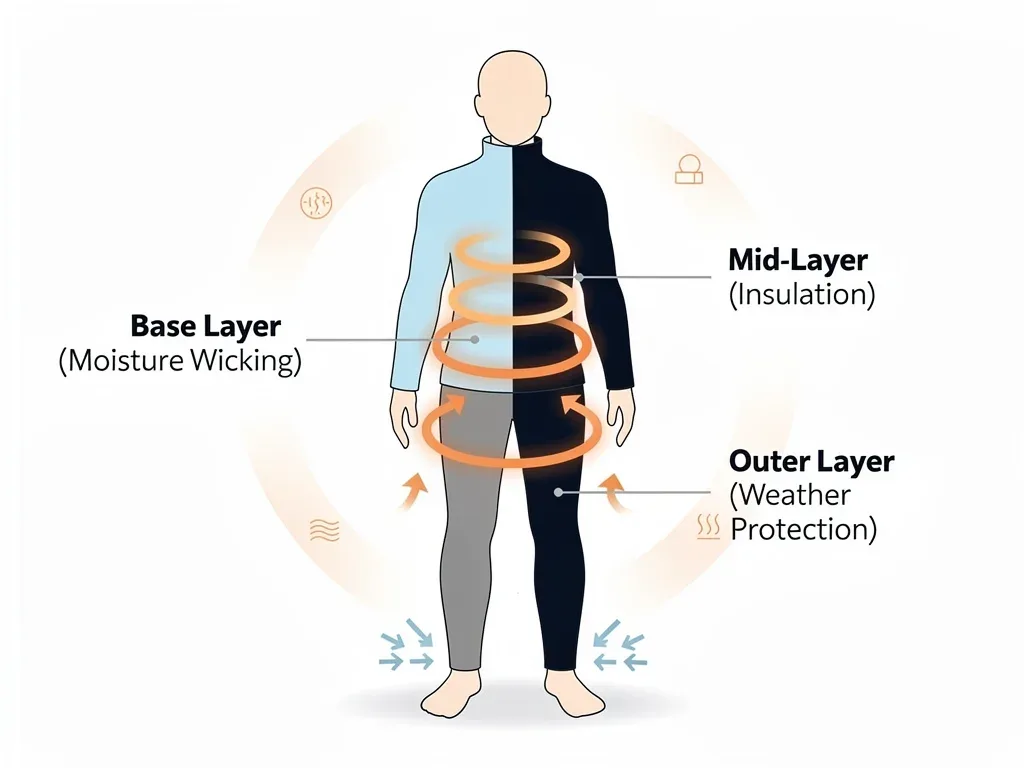
Effective thermal regulation is the cornerstone of the winter layering guide, relying on principles of insulation and moisture transfer. Each layer contributes to creating an air barrier that slows heat loss, while simultaneously managing internal moisture production.
Understanding how different fabrics interact with body heat and sweat is paramount. Synthetic fibers and natural materials like merino wool play distinct roles in optimizing this delicate balance, ensuring comfort during varying activity levels.
The 2026 guide integrates these scientific insights into practical advice, transforming how individuals approach cold-weather dressing. It's an evolution in personal climate control.
Why Three Layers? The Optimal Balance
The three-layer approach is not arbitrary; it represents the optimal balance between insulation, protection, and adaptability. More layers can lead to bulk and restricted movement, while fewer may compromise warmth or weather resistance.
This specific number allows for precise adjustments to changing weather conditions or activity levels, giving the wearer unparalleled control over their comfort. It's a modular system designed for maximum versatility.
The winter layering guide emphasizes that this structure provides the necessary components for a comprehensive defense against cold, wind, and moisture, all without sacrificing style or mobility.
The Base Layer: Your Second Skin for Winter Layering Guide 2026
The base layer is arguably the most critical component of the winter layering guide, acting as your body's second skin. Its primary function is to manage moisture, wicking sweat away from your skin to prevent chilling, while also providing a foundational layer of insulation.
Choosing the right material for this layer is paramount, as direct skin contact means its performance directly impacts your overall comfort. Poor choices can lead to dampness, which rapidly draws heat away from the body.
The 2026 recommendations highlight specific fabrics and fits that optimize this crucial first defense against the cold, setting the stage for the subsequent layers to perform effectively.
Material Matters: Merino Wool vs. Synthetics
When it comes to base layers, the debate often centers on merino wool versus synthetic fabrics. Both have distinct advantages, and the optimal choice often depends on activity level and personal preference, as outlined in the winter layering guide.
Merino wool offers exceptional warmth-to-weight ratio, natural odor resistance, and continues to insulate even when damp. It's an excellent choice for varied activity and extended wear.
Synthetics, typically polyester blends, excel in rapid moisture wicking and quick drying, making them ideal for high-intensity activities where sweat management is critical. They are also often more durable and less expensive.
- Merino Wool: Natural, breathable, odor-resistant, warm when wet.
- Synthetics (Polyester, Polypropylene): Fast-drying, excellent wicking, durable, often more affordable.
- Blends: Combine benefits, offering a balance of performance characteristics.
Fit and Functionality: Maximizing Base Layer Performance
The fit of your base layer is just as important as its material. It should be snug against your skin, but not constricting, to effectively wick away moisture. A loose fit creates air gaps that reduce wicking efficiency.
Flatlock seams are a common feature in quality base layers, preventing chafing and enhancing comfort during prolonged wear. This attention to detail ensures the layer truly feels like a second skin.
The winter layering guide emphasizes that a well-fitting base layer forms the essential foundation for the entire heat-retention system, allowing subsequent layers to perform optimally.
The Mid Layer: The Heart of Heat Retention in Winter Layering Guide 2026
The mid layer is the primary insulator in the winter layering guide, responsible for trapping the warm air generated by your body. This layer provides the bulk of your warmth, and its effectiveness directly correlates with its ability to create and maintain insulating air pockets.
Its design must balance warmth with breathability, allowing some moisture vapor to escape from the base layer while preventing significant heat loss. This dynamic interplay is crucial for sustained comfort.
The 2026 strategy recommends a variety of materials for this layer, each suited to different temperatures and activity levels, ensuring versatility within the overarching system.
Insulating Materials: Fleece, Down, and Synthetics
For the mid layer, popular choices include fleece, down, and synthetic insulations, each with distinct thermal properties. Fleece is lightweight, breathable, and insulates well even when damp, making it a versatile option.
Down offers the best warmth-to-weight ratio, providing exceptional insulation for its minimal bulk. However, its insulating properties are significantly compromised when wet, requiring careful consideration in damp conditions.
Synthetic insulations, like PrimaLoft or Thinsulate, mimic down's loft and warmth but perform better in wet conditions, making them a reliable choice for unpredictable winter weather as advised by the winter layering guide.
- Fleece: Affordable, breathable, insulates when damp, good for active wear.
- Down: Superior warmth-to-weight, highly compressible, but loses insulation when wet.
- Synthetic Insulation: Performs well when wet, durable, good alternative to down.
Versatility and Adaptability of the Mid Layer
The mid layer's design often includes features that enhance its versatility, such as full-zip fronts for ventilation control and adjustable cuffs. These elements allow for quick adaptation to changing body temperatures or activity levels.
Some mid layers are designed to be packable, easily stowed away when not needed and deployed quickly when temperatures drop. This adaptability is key to the dynamic nature of the winter layering guide.
Stylists recommend having a few different mid-layer options to choose from, allowing for precise customization of warmth based on the day's forecast and planned activities.
The Outer Layer: Your Shield Against the Elements in Winter Layering Guide 2026
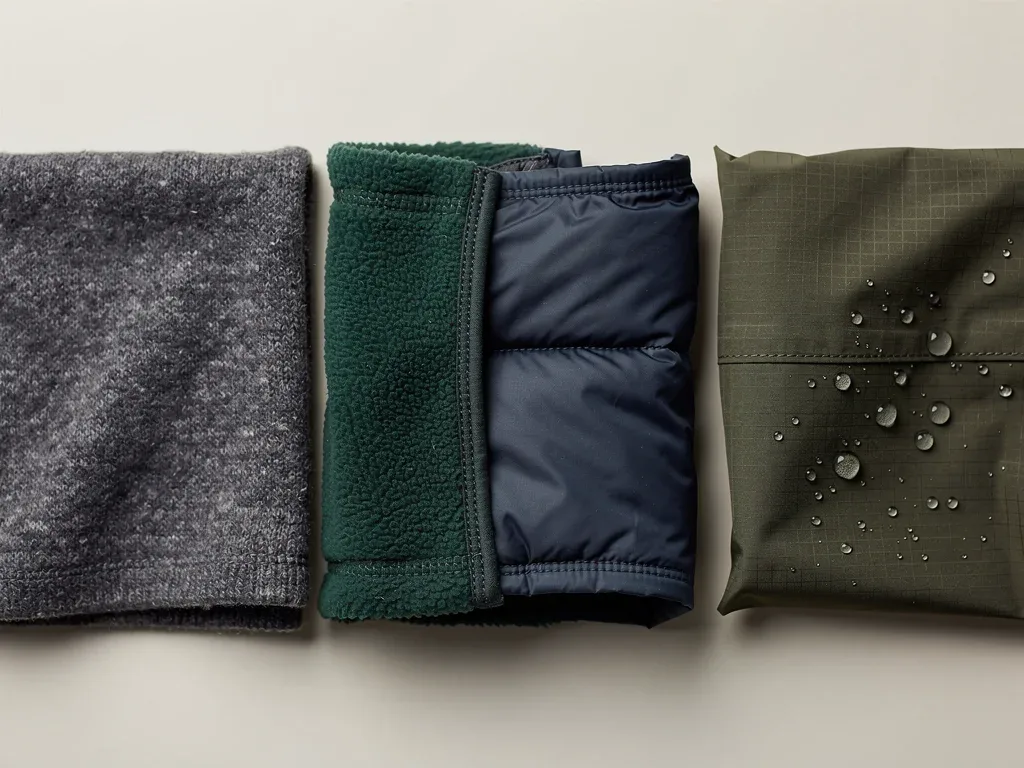
The outer layer, or shell, is the ultimate protector in the winter layering guide, shielding you from wind, rain, and snow. Its primary role is to provide a barrier against external elements while allowing internal moisture vapor to escape, maintaining the effectiveness of the underlying layers.
This layer must be both waterproof and breathable, a critical combination that prevents external moisture from penetrating while allowing sweat to evaporate. Without this balance, even the best base and mid-layers can become compromised.
The 2026 recommendations emphasize advanced fabric technologies that deliver this dual functionality, ensuring comprehensive protection in the harshest winter conditions.
Waterproof and Breathable Technologies
Modern outer layers feature sophisticated membranes and coatings, such as Gore-Tex or eVent, that are engineered to be waterproof yet breathable. These technologies are central to the effectiveness of the winter layering guide.
The microscopic pores in these membranes are too small for liquid water molecules to pass through but large enough for water vapor to escape. This ingenious design keeps you dry from both external precipitation and internal perspiration.
The continuous development in these fabric technologies means that 2026 sees even lighter, more durable, and more efficient outer layers available, enhancing comfort without adding bulk.
Features for Enhanced Protection and Functionality
Beyond the fabric itself, the outer layer incorporates numerous design features to maximize protection. Sealed seams, storm flaps over zippers, and adjustable hoods and cuffs are all crucial elements.
These details prevent water and wind from finding entry points, ensuring complete elemental defense. Pockets, often waterproofed, provide secure storage for essentials, as highlighted in the winter layering guide.
The fit of the outer layer should accommodate the base and mid-layers comfortably, allowing for full range of motion without being excessively baggy. This ensures the entire system works cohesively.
Stylist-Approved Strategies for the Winter Layering Guide 2026
Stylists agree that the winter layering guide isn't just about functionality; it's also about aesthetics. The 2026 approach integrates fashion-forward thinking with practical warmth, ensuring you look as good as you feel.
Achieving a polished look while layered requires attention to color palettes, textures, and the overall silhouette. Avoid bulky appearances by selecting slimmer profiles for inner layers and allowing the outer layer to define the overall shape.
This guide empowers individuals to experiment with different combinations, turning a necessity into an opportunity for personal expression and elevated winter style.
Color Palettes and Textural Play
Experimenting with color palettes and textures can elevate your layered look. Monochromatic schemes create a sleek, elongated silhouette, while contrasting colors can add visual interest and depth to your winter layering guide ensemble.
Mixing textures, such as a smooth merino base with a chunky knit mid-layer and a matte shell, adds sophistication without adding visual bulk. This thoughtful combination creates a dynamic and appealing outfit.
Consider how accessories like scarves, hats, and gloves can complement your chosen palette and textures, adding both warmth and a finishing touch to your winter attire.
Balancing Warmth with Fashion-Forward Aesthetics
The key to mastering the winter layering guide for 2026 is balancing practical warmth with contemporary fashion trends. This means opting for well-tailored pieces that fit comfortably without being overly loose or tight, allowing for fluid movement and a refined appearance.
Focus on investing in versatile pieces that can be mixed and matched, extending the utility of your winter wardrobe. A classic, well-fitting outer coat can be the anchor for numerous layered outfits.
Stylists recommend paying attention to the details, such as collar styles, zipper types, and cuff designs, as these small elements significantly contribute to the overall aesthetic appeal of your layered look.
Essential Accessories for the Winter Layering Guide 2026
No winter layering guide would be complete without acknowledging the critical role of accessories. These often-overlooked items provide crucial additional warmth and protection for exposed areas of the body, significantly impacting overall comfort.
Hats, gloves, and scarves are not just stylistic additions; they are functional necessities that prevent significant heat loss from the head, hands, and neck. These areas are particularly vulnerable to cold.
The 2026 recommendations emphasize selecting accessories made from high-performance materials that complement your layered ensemble, ensuring both warmth and a cohesive look.
Hats, Gloves, and Scarves: Protecting Extremities
Your head can lose a significant amount of body heat, making a warm hat an indispensable accessory in any winter layering guide. Look for materials like wool, fleece, or insulated synthetics that offer good coverage.
Gloves or mittens are essential for protecting your hands, which are prone to cold-induced discomfort and even injury. Opt for insulated, waterproof options if you anticipate prolonged exposure to wet conditions.
A well-chosen scarf not only adds a touch of style but also protects your neck and lower face from biting winds. Consider materials like cashmere, merino wool, or soft fleece for maximum comfort and warmth.
- Hats: Wool or fleece for head heat retention.
- Gloves/Mittens: Insulated, waterproof for hand protection.
- Scarves: Cashmere, merino, or fleece for neck and face warmth.
Footwear: The Foundation of Winter Comfort
Proper footwear is often the unsung hero of a successful winter layering guide. Cold, wet feet can quickly undermine the comfort provided by even the best layered clothing, making appropriate boots and socks paramount.
Invest in insulated, waterproof boots with good traction to navigate icy and snowy conditions safely. The sole material and tread pattern are as important as the upper construction for both warmth and stability.
High-quality wool or synthetic socks designed for winter wear will wick away moisture and provide crucial insulation, completing the foundation of your cold-weather defense.
Adapting the Winter Layering Guide 2026 to Different Climates and Activities
The beauty of the winter layering guide for 2026 lies in its adaptability. While the three-layer principle remains constant, the specific materials and thicknesses of each layer can be adjusted to suit varying climates and activity levels, from mild winter days to extreme cold.
For urban environments or milder winter days, lighter-weight base and mid-layers might suffice, possibly paired with a less robust outer shell. The emphasis shifts to comfort and style without sacrificing core warmth.
Conversely, for extreme cold or high-altitude activities, heavier-duty thermal base layers, thicker insulated mid-layers, and highly technical outer shells become indispensable components of the winter layering guide.
Urban Commuting vs. Outdoor Adventures
The demands of urban commuting differ significantly from those of outdoor adventures, and the winter layering guide accounts for these variations. Commuters might prioritize lighter, less bulky layers that easily transition indoors.
For urban settings, fashion integration is often a higher priority, allowing for stylish yet functional outerwear that complements professional or casual attire. The emphasis is on seamless transitions and sophisticated aesthetics.
Outdoor adventurers, however, will lean towards maximum performance, durability, and specialized features like reinforced knees or helmet-compatible hoods, where technical functionality outweighs pure style.
Adjusting Layers for Activity Level
Your activity level is a critical factor in customizing your winter layering guide. High-exertion activities generate significant body heat and sweat, requiring more emphasis on moisture-wicking and ventilation.
For strenuous activities, choose lighter base and mid-layers with superior wicking properties, and an outer shell with excellent breathability. You might even start slightly cold, knowing your body will generate warmth.
Conversely, for low-activity scenarios like spectating or sedentary work outdoors, prioritize maximum insulation in your mid-layer and a robust, windproof outer layer to prevent heat loss.
Future Trends and Innovations in Winter Layering Guide 2026
The winter layering guide for 2026 continues to evolve with advancements in material science and smart textile technology. Researchers are constantly developing new fibers and construction methods that promise even greater warmth, lighter weight, and enhanced functionality.
Expect to see more integrated smart features, such as self-heating elements or sensors that monitor body temperature, becoming mainstream in high-performance winter wear. These innovations aim to provide dynamic thermal regulation.
Sustainability is also a growing focus, with an increasing emphasis on recycled materials, eco-friendly manufacturing processes, and durable products designed for longevity, influencing the future of the winter layering guide.
Smart Textiles and Integrated Technology
The advent of smart textiles is set to revolutionize the winter layering guide. Fabrics embedded with micro-sensors can monitor body temperature and adjust insulation levels, providing personalized thermal comfort.
Self-heating elements, powered by small, lightweight batteries, are becoming more common in base and mid-layers, offering on-demand warmth in extreme conditions. This technology adds another dimension to personal climate control.
These integrated technologies promise to make winter layering even more efficient and responsive, moving beyond static insulation to dynamic, adaptive warmth management. The winter layering guide will continue to incorporate these advancements.
Sustainability in Winter Apparel
Sustainability is a driving force in the evolution of winter apparel. Brands are increasingly using recycled polyester for fleece and synthetic insulation, reducing reliance on virgin plastics, a key consideration for the winter layering guide.
Innovations in natural fibers, such as ethically sourced merino wool and organic cotton blends, are also gaining traction. Manufacturers are exploring biodegradable materials and closed-loop production systems to minimize environmental impact.
Consumers are increasingly demanding transparency and ethical practices from their favorite brands, pushing the industry towards more sustainable choices that align with environmental consciousness.
| Key Component | Primary Function |
|---|---|
| Base Layer | Wicks moisture, provides initial warmth, acts as 'second skin'. |
| Mid Layer | Insulates, traps body heat, provides bulk of warmth. |
| Outer Layer | Protects from wind, rain, snow; breathable. |
| Accessories | Crucial for extremity protection (hats, gloves, scarves, footwear). |
Frequently Asked Questions About Winter Layering Guide 2026
What is the core principle of the Winter Layering Guide 2026?▼The core principle of the Winter Layering Guide 2026 is the strategic use of three distinct layers—base, mid, and outer—to optimize heat retention and moisture management. Each layer serves a specific function, working together to maintain body warmth and dryness in cold conditions, ensuring maximum comfort and adaptability.
How do I choose the right base layer materials?▼Choosing the right base layer depends on your activity level and climate. Merino wool is excellent for varied activity due to its natural warmth and odor resistance, even when damp. Synthetics like polyester are ideal for high-intensity activities because they excel at rapid moisture-wicking and quick drying, as recommended by the Winter Layering Guide 2026.
What makes the mid-layer so important for heat retention?▼The mid-layer is the primary insulator, designed to trap warm air close to your body. Materials like fleece, down, or synthetic insulation create air pockets that slow heat loss, providing the bulk of your warmth. Its effectiveness is crucial for maintaining a stable body temperature, a key element of the Winter Layering Guide 2026.
What role does the outer layer play in the 3-layer strategy?▼The outer layer acts as your shield against external elements, such as wind, rain, and snow. It must be both waterproof and breathable to prevent moisture from entering while allowing internal sweat vapor to escape. This dual functionality is vital for keeping all underlying layers dry and effective, according to the Winter Layering Guide 2026.
Are there any new trends in winter layering for 2026?▼Yes, the Winter Layering Guide 2026 incorporates emerging trends like smart textiles with integrated self-heating elements and sensors for dynamic thermal regulation. There's also a significant focus on sustainability, with an increased use of recycled materials and eco-friendly manufacturing processes to reduce environmental impact across winter apparel.
Looking Ahead: The Evolving Landscape of Winter Layering
The Winter Layering Guide 2026: The 3-Layer Heat-Retention Strategy Stylists Swear By represents a significant evolution in cold-weather dressing, blending scientific principles with cutting-edge fashion. As materials and technologies continue to advance, consumers can anticipate even more sophisticated and adaptive solutions for staying warm and comfortable.
The emphasis on sustainability and smart integration underscores a broader shift in the fashion industry towards performance, ethics, and innovation. This guide not only prepares individuals for the immediate challenges of winter but also provides a glimpse into the future of practical yet stylish cold-weather apparel.
Monitoring developments in smart textiles and sustainable manufacturing will be key to staying ahead in the ever-evolving landscape of winter fashion. The principles of the winter layering guide will remain foundational, adapting to new possibilities for enhanced comfort and environmental responsibility.