Winter to Spring 2026: Layering with Lightweight Merino Wool
Advertisements
Struggling to dress for chilly mornings that turn into sunny afternoons? Mastering the winter-to-spring 2026 transition starts with Lightweight Merino, the ultimate breathable fabric for unpredictable weather.
Unlike bulky knits, ultra-fine wool naturally regulates body temperature—trapping warmth at dawn while wicking moisture as temperatures climb. This sustainable, odor-resistant staple lets you adapt effortlessly without sacrificing style.
Discover seven versatile layering formulas built around soft merino base layers and cardigans to keep you comfortable all season long.
The Core Benefits of Lightweight Merino Wool for Transitional Weather
Lightweight merino wool offers a unique combination of benefits that make it an unparalleled choice for Lightweight Merino Layering Formulas. Its fine fibers provide excellent insulation without bulk, a crucial factor when moving between indoor and outdoor environments.
The fabric’s natural breathability prevents overheating, while its moisture-wicking properties keep the wearer dry and comfortable. This dual action is vital for managing the often-unpredictable temperature swings characteristic of the winter-to-spring transition.
Furthermore, merino wool is naturally odor-resistant and quick-drying, reducing the need for frequent washing. These practical advantages enhance its appeal for daily wear and travel, solidifying its position as a sustainable and high-performance material for 2026 fashion.
Why Merino Excels in Temperature Regulation
Merino wool fibers are inherently crimped, creating small air pockets that trap warmth when it's cold. Conversely, when body temperature rises, the fibers release moisture vapor, facilitating evaporative cooling.
This intelligent response to body temperature ensures optimal comfort across a broader range of conditions than synthetic alternatives. It allows for seamless adaptation from a chilly morning commute to a warmer afternoon without requiring multiple wardrobe changes.
The natural elasticity of merino wool also contributes to its comfort, allowing garments to move with the body. This flexibility is essential for layering, ensuring that outfits feel unrestricted and comfortable throughout the day.
Formula 1: The Essential Base Layer for Early Spring
The foundation of any successful layering strategy for Transitioning from Winter to Spring 2026 begins with a quality base layer. A thin, long-sleeved merino wool top serves as the primary insulator and moisture manager against the skin.
This initial layer is critical for regulating body temperature effectively, especially when morning temperatures are still significantly cooler than afternoon highs. It provides a comfortable barrier that can be easily built upon or shed.
Selecting a base layer with a smooth, soft texture is important to prevent irritation, as it will be in direct contact with the skin. High-quality lightweight merino wool is known for its softness, making it an ideal choice for this foundational piece.
Optimizing Your Merino Base Layer
Fit: Choose a snug fit that allows for efficient moisture-wicking and insulation without feeling restrictive.
Weight: Opt for ultra-light or lightweight merino (150-200 gsm) for optimal breathability as spring approaches.
Neckline: Crew neck or half-zip styles offer versatility for different external layers and ventilation needs.
The base layer's performance directly impacts the overall comfort of the layering system. Investing in a high-quality lightweight merino wool base ensures a solid start to any transitional outfit.
Formula 2: Adding a Mid-Layer for Variable Conditions
Building upon the base layer, a lightweight merino mid-layer provides additional warmth and versatility for Lightweight Merino Layering Formulas. This could be a thin sweater, a cardigan, or a quarter-zip pullover, offering an extra layer of insulation.
The mid-layer is particularly useful during the cooler parts of the day or when moving between indoor and outdoor environments. Its ability to be easily added or removed makes it a practical component for adapting to changing conditions.
When selecting a mid-layer, consider its weight and texture to ensure it complements the base layer without creating excessive bulk. A fine-gauge merino sweater or a merino-blend fleece can offer both warmth and a refined aesthetic.
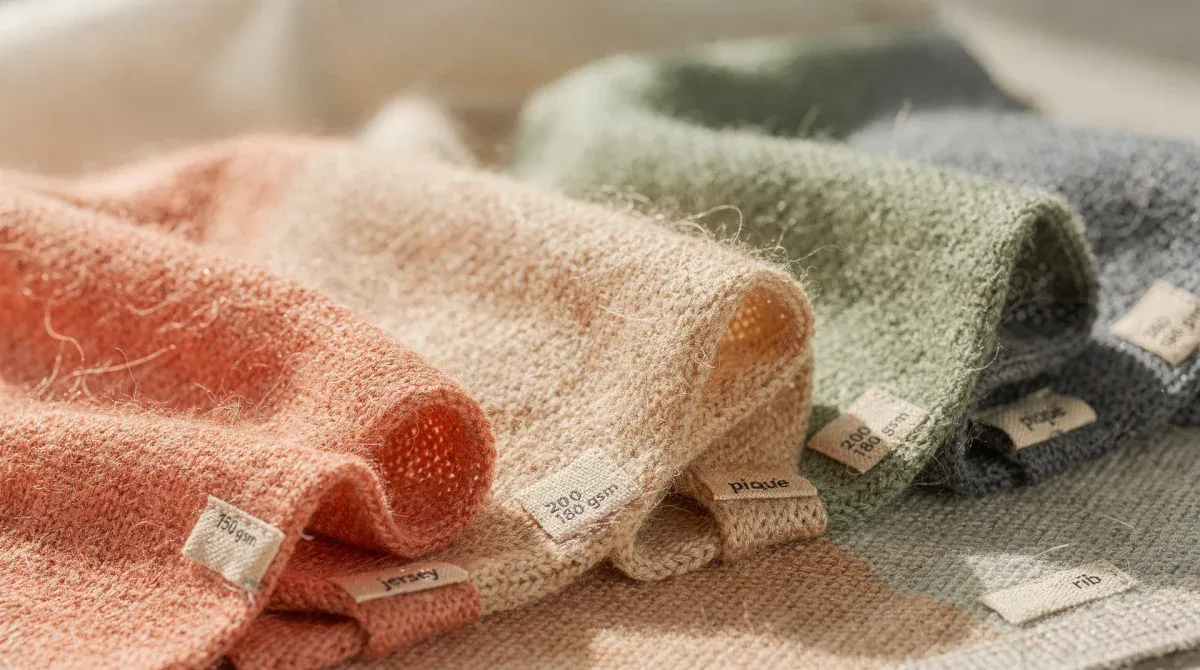
Choosing the Right Merino Mid-Layer
The mid-layer acts as a crucial thermal regulator, providing insulation that can be adjusted as temperatures fluctuate. A merino cardigan, for instance, offers an elegant option that can be worn open or closed, adapting to both style and comfort needs.
For more active days, a merino quarter-zip provides both warmth and the ability to vent quickly. The key is to select a piece that complements your base layer and outer shell, creating a cohesive and functional system.
Consider the blend as well; some merino mid-layers incorporate a small percentage of synthetic fibers for enhanced durability or stretch. This can be beneficial for garments that will see frequent use.
Formula 3: The Light Outer Shell for Protection
Completing the core layering system for Transitioning from Winter to Spring 2026 is the outer shell. This layer serves as protection against wind and light precipitation, which are common during early spring.
While not necessarily merino wool itself, the outer shell should be chosen to complement the breathability of the merino layers beneath. A lightweight, water-resistant jacket or a windbreaker is ideal for this purpose.
The outer shell should be easy to pack and carry, allowing for quick adjustments as weather conditions change throughout the day. Its primary function is to shield the inner merino layers from external elements, maintaining their thermal efficiency.
Selecting an Effective Outer Shell
Water Resistance: Look for jackets with DWR (durable water repellent) finishes to handle unexpected spring showers.
Wind Protection: A windproof outer layer is essential to prevent heat loss from the inner merino layers.
Packability: Choose a jacket that can be easily compressed and stored when not in use, making it convenient for variable weather.
The outer shell is the final barrier against the elements, and its thoughtful selection ensures the entire layering system performs optimally. It should be lightweight enough not to add significant bulk, allowing the merino layers to do their work effectively.
Formula 4: Incorporating Merino Accessories for Added Warmth
Beyond the core garments, merino wool accessories play a vital role in fine-tuning warmth and comfort during Lightweight Merino Layering Formulas. A lightweight merino scarf, beanie, or gloves can significantly impact overall thermal regulation.
These accessories offer targeted warmth to areas prone to heat loss, such as the head and neck. They are also easily removable, providing an instant adjustment to comfort levels without disrupting the main outfit.
For instance, a merino beanie can be worn during a chilly morning commute and then easily stowed away as temperatures rise. This adaptability is key to navigating the diverse conditions of winter-to-spring transition.
Versatile Merino Accessories
Merino scarves are particularly versatile, offering protection from wind and cold while also serving as a stylish accent. They can be draped loosely for a casual look or wrapped tightly for maximum warmth, adapting to both practical and aesthetic needs.
Lightweight merino gloves provide hand warmth without the bulk of winter gloves, making them suitable for cooler spring mornings. Their natural breathability prevents clamminess as the day warms up.
These small additions make a significant difference in personal comfort, allowing for precise temperature control. They are an essential part of a well-rounded layering strategy for the transitional seasons.
Formula 5: The Smart Casual Merino Ensemble for Everyday
For daily wear during Transitioning from Winter to Spring 2026, a smart casual merino ensemble provides both comfort and polish. This formula combines a merino long-sleeve tee with a merino cardigan or a lightweight blazer.
This combination is perfect for office environments, casual outings, or even a relaxed evening gathering where temperatures might drop. The inherent elegance of merino wool elevates the overall look while maintaining comfort.
Pairing these merino pieces with tailored trousers or dark-wash jeans creates a versatile outfit that easily transitions from day to evening. The natural drape and subtle sheen of merino wool contribute to a sophisticated appearance.
Crafting Your Smart Casual Look
Layering Contrast: Experiment with different textures or subtle color variations between your merino tee and cardigan for visual interest.
Blazer Integration: A lightweight blazer over a merino top adds a professional touch, easily removed for a more relaxed feel.
Footwear: Complete the look with appropriate footwear, such as leather loafers or stylish sneakers, depending on the occasion.
The beauty of this formula lies in its adaptability and the inherent quality of the merino fabric. It allows for a polished appearance without sacrificing the functional benefits of natural fibers in transitional weather.
Formula 6: Active Wear Merino for Outdoor Pursuits
For those engaging in outdoor activities during the winter-to-spring transition, Lightweight Merino Layering Formulas offer superior performance. This formula typically involves a merino base layer, a merino fleece or mid-weight top, and a breathable, water-resistant shell.
Merino wool's ability to regulate temperature and manage moisture is particularly beneficial during physical exertion. It keeps the wearer warm when static and cool when active, preventing the chill that can occur from sweat evaporation.
This active wear approach is suitable for hiking, cycling, or even brisk walks, ensuring comfort and protection against the elements. The natural odor resistance of merino also makes it a preferred choice for multi-day trips.
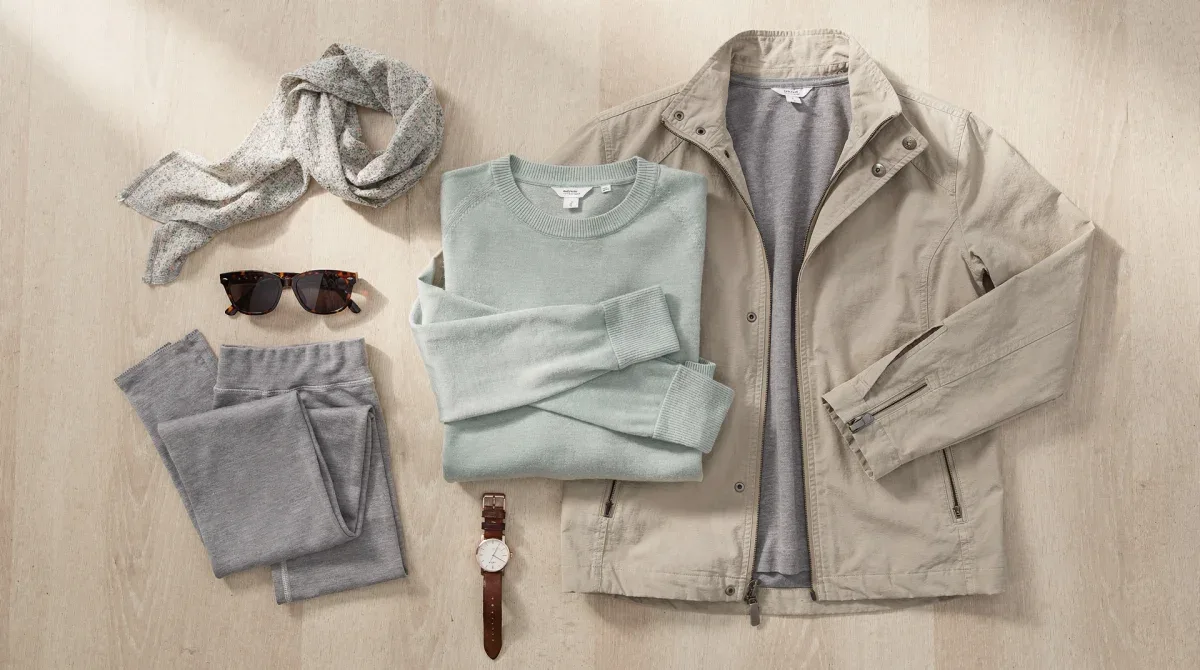
Performance-Driven Merino Layers
When selecting merino for active wear, look for garments designed with athletic cuts and reinforced seams for durability. Many brands offer specialized merino active wear that combines the natural properties of wool with technical design.
The quick-drying nature of merino means that even if you work up a sweat, the fabric will dry relatively fast, minimizing discomfort. This is a significant advantage over cotton, which can stay wet and cold, leading to a chill.
Consider the weight of the merino carefully; for high-intensity activities, an ultra-light base layer might be preferred, while a slightly heavier mid-layer offers more warmth for less strenuous pursuits. This ensures optimal performance across a range of activities.
Formula 7: The Travel-Ready Merino Capsule Wardrobe
For travelers navigating Transitioning from Winter to Spring 2026, a merino-centric capsule wardrobe is an invaluable asset. This formula focuses on versatile, packable merino pieces that can be mixed and matched to create multiple outfits.
The natural wrinkle resistance of merino wool means garments look fresh even after being packed, reducing the need for ironing. Its odor resistance also allows for longer wear between washes, which is ideal for extended trips.
A typical travel capsule might include two merino base layers, one merino sweater, a merino cardigan, and a lightweight, packable outer shell. These items can be combined to suit various climates and occasions, from city exploration to casual dinners.
Building Your Merino Travel Ensemble
Versatility: Choose neutral colors and classic styles that can be easily paired with other items in your luggage.
Minimalism: Focus on essential pieces that serve multiple functions, reducing overall packing weight and volume.
Adaptability: Ensure your chosen items can be layered effectively to handle a wide range of temperatures encountered during travel.
The travel-ready merino capsule wardrobe streamlines packing and enhances comfort on the go. Its inherent benefits make it a smart choice for any traveler seeking efficiency and style during seasonal transitions.
Key Point | Brief Description |
|---|---|
Merino Versatility | Excellent for adapting to fluctuating winter-to-spring temperatures. |
Layering Essential | Forms the core of effective transitional outfits due to its properties. |
Odor Resistance | Natural fibers reduce need for frequent washing, ideal for travel. |
Sustainability | A natural, renewable fiber offering an eco-conscious fashion choice. |
Frequently Asked Questions About Merino Layering
What makes lightweight merino wool ideal for winter-to-spring?▼
Lightweight merino wool is ideal due to its superior thermoregulation, wicking moisture away when warm and providing insulation when cool. This adaptability is crucial for the unpredictable temperature shifts experienced during the transition from winter to spring, ensuring consistent comfort.
How many layers of merino wool are typically recommended?▼
Generally, a two-to-three-layer system is recommended: a thin merino base layer, followed by a merino mid-layer (like a sweater or cardigan), and then an outer shell. This allows for flexible adjustment to various temperature changes throughout the day.
Can merino wool be worn directly against the skin?▼
Yes, lightweight merino wool is known for its exceptional softness and is excellent for wearing directly against the skin. Its fine fibers are less likely to cause irritation compared to traditional wool, making it a comfortable choice for base layers.
Is merino wool suitable for active outdoor use in spring?▼
Absolutely. Merino wool's moisture-wicking, breathability, and odor-resistant properties make it perfect for spring outdoor activities like hiking or cycling. It helps maintain a comfortable body temperature, preventing overheating and chilling.
How should I care for my lightweight merino wool garments?▼
Most lightweight merino wool garments can be machine washed on a gentle cycle with cold water and mild detergent. Air drying flat is recommended to maintain shape and prevent shrinking, extending the garment's lifespan and performance.
Looking Ahead: The Enduring Appeal of Merino Wool
The outlined strategies for Lightweight Merino Layering Formulas underscore merino wool's critical role in modern transitional wardrobes. As 2026 unfolds, its blend of natural performance, aesthetic versatility, and sustainability will continue to drive its adoption.
Consumers and designers alike are increasingly prioritizing materials that offer both functional benefits and a reduced environmental footprint. Merino wool, with its renewable nature and minimal processing requirements, aligns perfectly with these evolving demands.
Expect further innovations in merino wool fabric blends and garment designs, enhancing its utility across an even broader spectrum of seasonal and lifestyle needs. Its enduring appeal lies in its ability to consistently deliver comfort and style without compromise.