Micro-Trends Alert: 5 Runaway Silhouette Shifts in American Womenswear 2026
Advertisements
Refreshing your seasonal wardrobe requires staying ahead of fast-moving fashion trends and evolving garment proportions. Paying close attention to major Silhouette Shifts in American womenswear helps style-conscious shoppers identify emerging tailoring trends before they dominate mainstream retail store shelves.
Runway presentations and street style influences are redefining structural drape, moving away from ultra-fitted tailoring toward exaggerated volumes and fluid draping. These micro-style movements introduce architectural shoulder lines, dropped waists, and relaxed pant cuts across modern ready-to-wear collections.
Tracking these subtle design transformations allows fashion enthusiasts to curate forward-thinking outfits without relying on short-lived viral fads. Here are the five breakout apparel proportions redefining women's fashion this year.
The Rise of Fluid Volume: Comfort Meets Elegance
The first significant shift in American womenswear for 2026 is the pronounced rise of fluid volume. This trend moves beyond simple oversized garments, embracing a sophisticated approach to comfort through flowing fabrics and generous cuts that drape elegantly rather than swamp the wearer.
This silhouette emphasizes ease of movement and a relaxed aesthetic, yet it maintains a polished and refined appearance. It reflects a post-pandemic desire for clothing that offers both freedom and style, challenging traditional notions of restrictive formal wear.
Fluid volume is not about shapelessness but about strategic draping and fabric choices that create an ethereal, graceful outline. It’s a nuanced evolution in the Silhouette Shifts, signaling a blend of practicality and high fashion.
Deconstructed Tailoring and Wide-Leg Bottoms
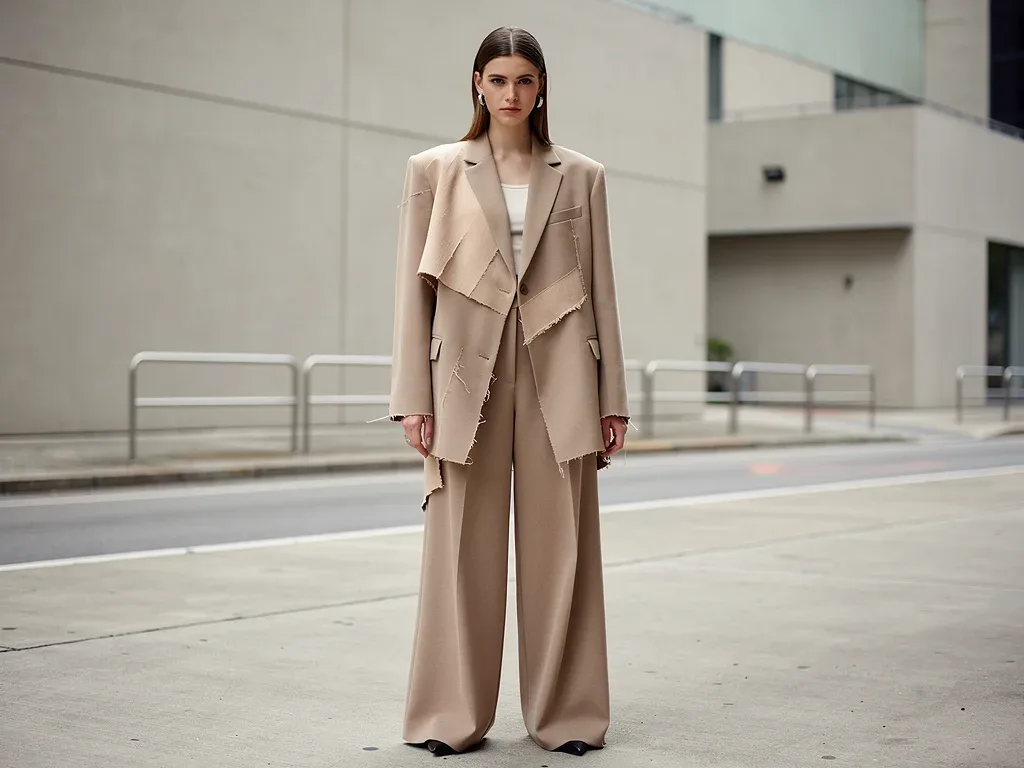
Deconstructed tailoring plays a pivotal role within the fluid volume trend. Blazers are softer, often unlined, and feature dropped shoulders or exaggerated lapels, moving away from rigid structures towards a more relaxed yet sophisticated form. This approach redefines professional and semi-formal attire, making it more adaptable to diverse environments.
Complementing this are wide-leg trousers and skirts, which are experiencing a significant resurgence. These bottoms offer unparalleled comfort and a graceful flow, pairing seamlessly with both fitted and voluminous tops. The emphasis is on elongated lines and an effortless drape that flatters various body types.
Soft, unlined blazers with relaxed shoulders.
Exaggerated lapels and minimalist fastenings.
Palazzo pants and flowing maxi skirts.
Fabrics like Tencel, silk blends, and lightweight wool.
The Influence of Loungewear on Outerwear
The comfort revolution, heavily influenced by loungewear, extends to outerwear. Coats and jackets in 2026 often feature cocoon-like shapes, oversized proportions, and soft, tactile materials. These pieces offer a sense of security and warmth without sacrificing an elevated aesthetic, reflecting a key aspect of the Silhouette Shifts.
This integration of loungewear principles into everyday garments blurs the lines between casual and formal, providing versatility for the modern woman. The focus is on garments that can transition effortlessly from a home office setting to a chic urban outing, showcasing adaptability.
Sculptural Asymmetry: Dynamic Forms and Unconventional Lines
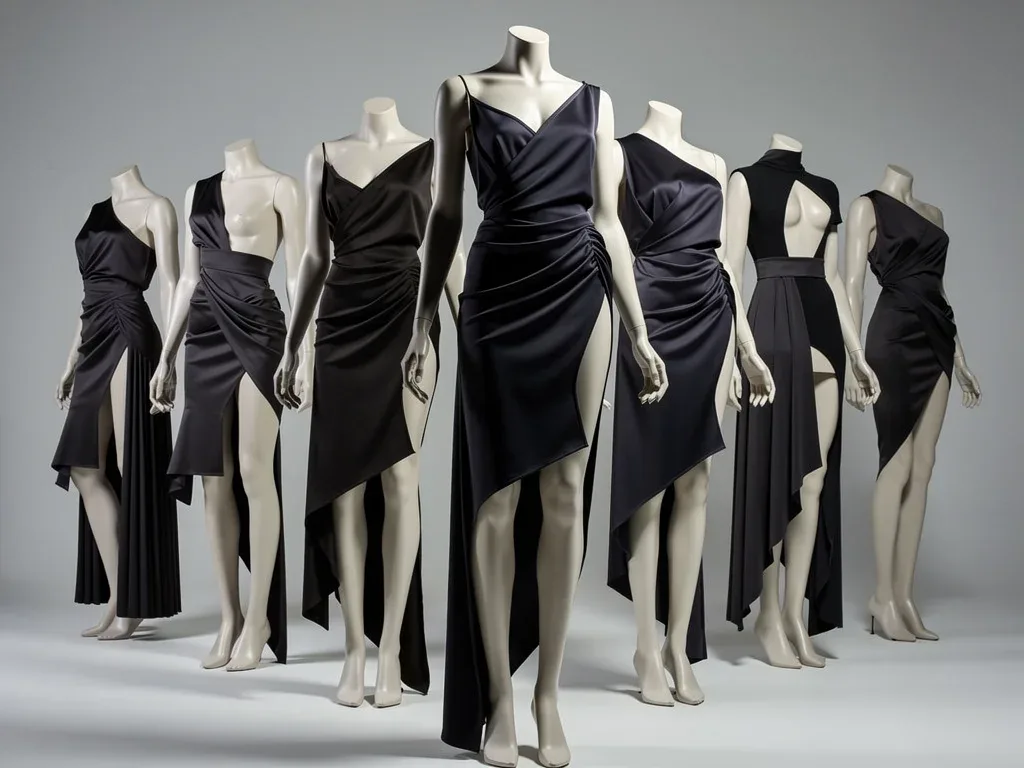
Sculptural asymmetry represents a bold departure from conventional balance, introducing dynamic forms and unconventional lines into American womenswear. This micro-trend is characterized by unexpected cuts, uneven hemlines, and innovative draping that create visual interest and a sense of movement.
It’s a celebration of artistic expression and individuality, allowing garments to become wearable art pieces. Designers are experimenting with geometric shapes and organic contours to create silhouettes that are both challenging and captivating, a crucial element of the Silhouette Shifts.
This trend speaks to a desire for uniqueness and a rejection of predictable aesthetics. It encourages women to embrace clothing that stands out and makes a statement, highlighting a shift towards more expressive fashion choices.
Strategic Draping and Cut-Outs
Strategic draping is central to sculptural asymmetry, where fabric is manipulated to create volume, texture, and unexpected folds. This technique allows for garments that appear to be in constant motion, adapting to the wearer's movements and creating new forms with every step. It’s a sophisticated play on fabric and form, moving beyond simple construction.
Cut-outs, once a niche detail, are now integrated into the structural design of garments, offering glimpses of skin in unexpected places. These are not merely decorative but serve to redefine the garment's silhouette, adding an element of intrigue and modernity. They interact with the garment's overall asymmetry, enhancing its dynamic appeal.
One-shoulder tops and dresses with varied sleeve lengths.
Asymmetric hemlines on skirts and dresses.
Strategically placed cut-outs revealing unexpected areas.
Architectural pleats and folds creating unique volumes.
Exaggerated Proportions in Unexpected Places
Sculptural asymmetry often features exaggerated proportions that challenge traditional balance. A single oversized sleeve, a dramatically flared hip, or an extended hem on one side can transform a conventional garment into a striking piece. This bold approach defines a significant aspect of the Silhouette Shifts.
These unexpected exaggerations create a sense of drama and avant-garde appeal, pushing the boundaries of everyday wear. They are designed to provoke thought and offer a fresh perspective on how clothing interacts with the body, fostering a new era of fashion experimentation.
The Return of the Power Shoulder: Redefined Authority
The power shoulder, a hallmark of 1980s fashion, is making a redefined return in 2026, signaling a resurgence of authoritative and confident silhouettes in American womenswear. This iteration is more nuanced and less overtly aggressive than its predecessors, focusing on subtle yet impactful structural enhancements.
This trend embodies a renewed emphasis on female empowerment and strength in professional and social spheres. It’s about projecting confidence and capability through sartorial choices, without sacrificing modern elegance or comfort. The redefined power shoulder is a key component of the Silhouette Shifts, offering a fresh take on a classic statement.
The current interpretation integrates structural elements that provide shape and definition without the rigid, bulky feel of the past. It’s a sophisticated nod to strength, tailored for the contemporary woman who seeks both style and substance in her wardrobe.
Subtle Padding and Architectural Sleeves
Instead of heavy shoulder pads, the 2026 power shoulder utilizes subtle padding and internal structures to create a more natural yet defined line. This allows for a strong silhouette that is comfortable and easy to wear, suitable for various occasions. The focus is on enhancing the natural shoulder line rather than artificially extending it, creating a more organic feel.
Architectural sleeves, such as puffed, gathered, or sculpted designs, complement the refined shoulder. These sleeves add volume and drama, contributing to the overall powerful silhouette without being overwhelming. They are often crafted from structured fabrics that hold their shape, adding to the garment's commanding presence.
Blazers and jackets with subtly padded shoulders.
Dresses and tops featuring structured puffed sleeves.
Clean lines that emphasize the shoulder-to-neck transition.
Fabrics that maintain shape and offer a refined finish.
The Blended Power Suit Aesthetic
The power shoulder is integral to the blended power suit aesthetic, where traditional suiting elements are integrated into more fluid and versatile garments.
This could mean a tailored blazer paired with wide-leg trousers, or a structured dress with pronounced shoulders. This fusion creates a powerful yet approachable look, central to the Silhouette Shifts.
This aesthetic is about combining the gravitas of a power suit with the comfort and adaptability of modern fashion. It allows women to project authority while maintaining a sense of individual style and ease, reflecting a holistic approach to dressing.
Neo-Minimalism: Streamlined Forms and Understated Impact
Neo-minimalism emerges as a significant micro-trend in 2026, characterized by streamlined forms, clean lines, and an understated impact in American womenswear.
This aesthetic prioritizes simplicity, functionality, and high-quality craftsmanship, moving away from overt ornamentation towards a more refined and intentional approach to dressing.
This trend is a response to fast fashion and excessive consumption, advocating for thoughtful purchases and timeless pieces. It’s about creating a wardrobe of versatile, well-made garments that can be mixed and matched, reflecting a conscious consumer mindset. Neo-minimalism is a crucial element of the Silhouette Shifts, emphasizing longevity and enduring style.
The focus is on impeccable fit, luxurious fabrics, and subtle details that elevate basic silhouettes. It's not about being bland, but about achieving maximum impact through minimal effort, conveying sophistication and quiet confidence.
Precision Cuts and Monochromatic Palettes
Precision cuts are fundamental to neo-minimalism, ensuring that every garment fits flawlessly and drapes beautifully. Tailoring is sharp and meticulous, creating clean silhouettes that enhance the body's natural form without being restrictive. This attention to detail is what distinguishes neo-minimalism from mere simplicity.
Monochromatic palettes, particularly in neutral tones like black, white, gray, and beige, are central to this aesthetic. These colors create a cohesive and sophisticated look, allowing the texture and form of the garment to take center stage. The use of a single color or closely related shades enhances the streamlined effect, a hallmark of the Silhouette Shifts.
Clean lines and sharp tailoring in dresses and separates.
Monochromatic color schemes, often in neutral tones.
Luxurious, tactile fabrics such as cashmere, silk, and fine wool.
Absence of excessive embellishment or prints.
Functional Details and Versatile Silhouettes
Neo-minimalism integrates functional details that serve a purpose rather than being purely decorative. Hidden pockets, adjustable elements, and convertible designs add practicality and versatility to garments. These thoughtful additions enhance the wearer's experience, aligning with a desire for intelligent design.
Silhouettes are inherently versatile, designed to transition seamlessly from day to night, casual to formal. A well-cut tunic can be styled in multiple ways, and a simple shift dress can be dressed up or down with accessories. This adaptability is key to building a sustainable and effective wardrobe, reflecting the core tenets of the Silhouette Shifts.
Utilitarian Chic: Elevated Practicality and Structured Comfort
Utilitarian chic merges elevated practicality with structured comfort, defining another key micro-trend in American womenswear for 2026. This aesthetic draws inspiration from workwear and military uniforms, reinterpreting functional elements into stylish, everyday garments that are both durable and fashionable.
This trend speaks to a desire for clothing that can withstand the demands of modern life while maintaining a sophisticated edge. It’s about garments that are built to last, offering both form and function without compromise. Utilitarian chic is a significant aspect of the Silhouette Shifts, blending ruggedness with refinement.
The focus is on durable fabrics, practical details like multiple pockets, and silhouettes that offer structure without feeling restrictive. It’s a celebration of purposeful design, where every element contributes to both the aesthetic and the utility of the garment.
Cargo Details and Durable Fabrics
Cargo pockets, once relegated to casual wear, are now integrated into more refined garments such as tailored trousers, skirts, and even blazers. These details add a practical element while contributing to the utilitarian aesthetic, offering both storage and style. The placement and design of these pockets are carefully considered to maintain a chic appearance.
Durable fabrics like twill, canvas, and heavy cotton are central to this trend. These materials not only ensure longevity but also provide structure and a tactile quality that enhances the utilitarian feel. They are often treated to create a soft yet robust finish, balancing comfort with resilience.
Tailored cargo trousers and skirts.
Jumpsuits and boiler suits with refined cuts.
Durable fabrics like canvas, twill, and technical blends.
Multiple functional pockets and adjustable details.
Structured Silhouettes and Earthy Palettes
Utilitarian chic features structured silhouettes that offer a sense of order and purpose. Jackets with defined waists, trousers with crisp pleats, and dresses with architectural lines create a polished yet practical look. These structured forms provide a counterbalance to the fluidity seen in other trends, adding a sense of grounded elegance to the Silhouette Shifts.
Earthy color palettes, including olive green, khaki, beige, and various shades of brown, dominate this trend. These natural tones reinforce the utilitarian aesthetic, evoking a sense of connection to the outdoors and a no-nonsense approach to dressing. They also offer versatility, pairing well with a range of other colors and textures.
The Reimagined A-Line: Modern Versatility and Flattering Forms
The reimagined A-line silhouette emerges as a key micro-trend in 2026, offering modern versatility and universally flattering forms in American womenswear. This classic shape, characterized by a narrower top that gradually flares out towards the hem, is updated with contemporary details, fabrics, and styling.
This trend celebrates timeless elegance while incorporating modern sensibilities, making it relevant for today's diverse fashion landscape. It’s about creating garments that are both comfortable and chic, suitable for a wide range of body types and occasions. The reimagined A-line is a significant component of the Silhouette Shifts, blending heritage with innovation.
The updated A-line is not just about dresses and skirts; it extends to coats, tunics, and even some tailored tops, offering a fresh take on a beloved silhouette. Its inherent versatility makes it a staple for conscious consumers seeking enduring style.
Elevated Fabrics and Asymmetric Details
The reimagined A-line often incorporates elevated fabrics such as luxurious silks, structured satins, and innovative technical blends.
These materials enhance the drape and movement of the silhouette, adding a touch of sophistication and modernity. The choice of fabric plays a crucial role in how the A-line is perceived, elevating it beyond its traditional casual connotations.
Asymmetric details are subtly integrated into the A-line, offering a contemporary twist without disrupting its classic balance. This could include an uneven hemline, a diagonal seam, or a strategically placed slit that adds visual interest.
These subtle asymmetries provide a fresh perspective on a familiar shape, making it feel current and dynamic, a key feature of the Silhouette Shifts.
Dresses and skirts with updated A-line cuts.
Coats and tunics featuring a subtle A-line flare.
Luxurious fabrics like silk, satin, and innovative blends.
Subtle asymmetric hemlines or paneling.
Layering and Adaptable Styling
The reimagined A-line is designed for layering, allowing for adaptable styling across seasons and occasions. A simple A-line dress can be worn on its own in warmer months or layered over a turtleneck and tights in colder weather. This versatility makes it a practical and valuable addition to any wardrobe.
Its clean lines and flattering shape make it an ideal canvas for various accessories, from bold statement jewelry to minimalist footwear.
The ability to easily adapt the A-line to different styles and contexts reinforces its status as a timeless yet modern silhouette, central to the Silhouette Shifts.
Trend | Key Characteristic |
|---|---|
Fluid Volume | Elegant comfort with generous, flowing silhouettes and deconstructed tailoring. |
Sculptural Asymmetry | Dynamic forms, unconventional cuts, and strategic draping for artistic expression. |
Power Shoulder | Redefined authority with subtle padding and architectural sleeves, empowering silhouettes. |
Neo-Minimalism | Streamlined forms, precision cuts, and monochromatic palettes for understated impact. |
Frequently Asked Questions About 2026 Womenswear Silhouettes
What defines the Micro-Trends Alert: 5 Runaway Silhouette Shifts Dominating American Womenswear in 2026?▼
These micro-trends are characterized by significant shifts in garment shapes, moving towards fluid volume, sculptural asymmetry, a redefined power shoulder, neo-minimalism, and the reimagined A-line. They reflect evolving consumer desires for comfort, individuality, and conscious consumption, driven by cultural and technological influences shaping American womenswear.
How does 'Fluid Volume' differ from traditional oversized clothing?▼
Fluid Volume focuses on elegant draping and sophisticated cuts that provide comfort without appearing shapeless. Unlike simple oversized garments, it emphasizes strategic fabric manipulation and refined materials to create a polished, graceful silhouette. This is a key distinction within the Micro-Trends Alert: 5 Runaway Silhouette Shifts Dominating American Womenswear in 2026, offering elevated ease.
Is the 'Power Shoulder' trend a direct revival of 1980s fashion?▼
While inspired by the 1980s, the 2026 Power Shoulder is a redefined version. It features subtle padding and architectural sleeves for a more nuanced, less aggressive look. This modern take projects confidence and authority while maintaining contemporary elegance and comfort, a core component of the Micro-Trends Alert: 5 Runaway Silhouette Shifts Dominating American Womenswear in 2026.
What role does 'Neo-Minimalism' play in the 2026 fashion landscape?▼
Neo-Minimalism emphasizes streamlined forms, precision cuts, and high-quality craftsmanship, moving towards timeless, versatile pieces. It advocates for thoughtful consumption and understated impact, prioritizing functionality and refined aesthetics over excessive ornamentation. This trend is central to the Micro-Trends Alert: 5 Runaway Silhouette Shifts Dominating American Womenswear in 2026, promoting sustainable style.
How are these micro-trends impacting consumer purchasing decisions?▼
These micro-trends are influencing consumers to seek garments that offer both style and substance. There's a growing preference for versatile, comfortable, and expressive clothing that reflects personal values. This leads to more intentional purchasing, focusing on durability and adaptability, as highlighted by the Micro-Trends Alert: 5 Runaway Silhouette Shifts Dominating American Womenswear in 2026.
Looking Ahead: The Evolving Narrative of American Womenswear
The Silhouette Shifts signifies a dynamic period of innovation and redefinition in fashion. These shifts are not isolated occurrences but interconnected expressions of broader cultural changes.
As designers and consumers alike adapt, the landscape of American womenswear will continue to evolve, offering new avenues for personal expression and style.
Understanding these micro-trends provides a critical framework for anticipating future developments in the industry. It's a testament to fashion's ability to mirror and influence societal values, with an ongoing emphasis on individuality, comfort, and conscious design. The Silhouette Shifts will undoubtedly shape the wardrobes of millions.
Stay informed on these movements, as they are key indicators of where fashion is headed. The impact of the Silhouette Shifts extends beyond aesthetics, influencing production, retail strategies, and consumer engagement for years to come.